
Listeners:
Top listeners:
 play_arrow
 Cosoro Afrobeats UK's No.1 Afrobeats Radio Station
 play_arrow
 Cosoro Pidgin Na we bi di No.1 UK Pidgin Radio
 play_arrow
 Cosoro Evergreen UK's No.1 Radio for Timeless African Sounds


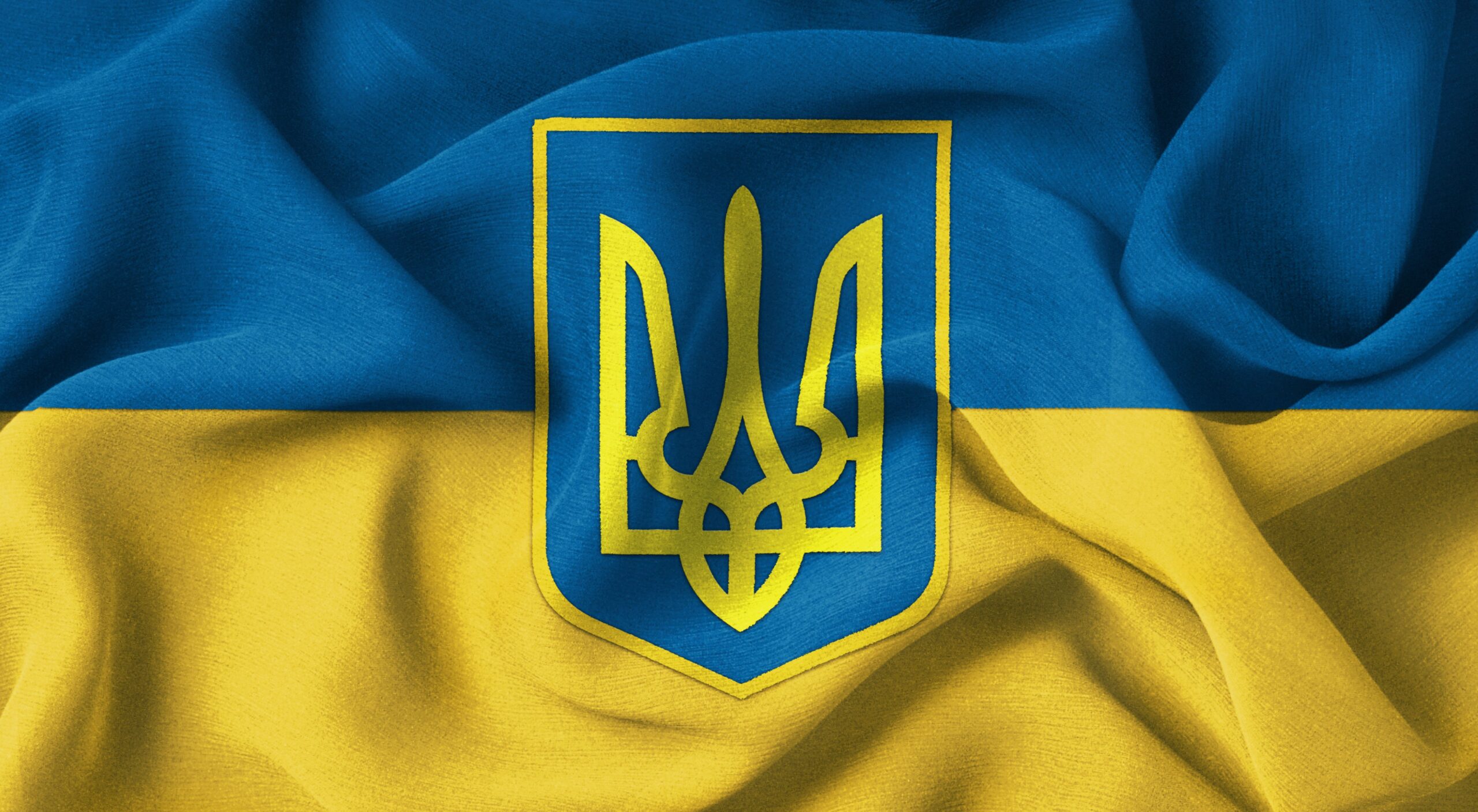
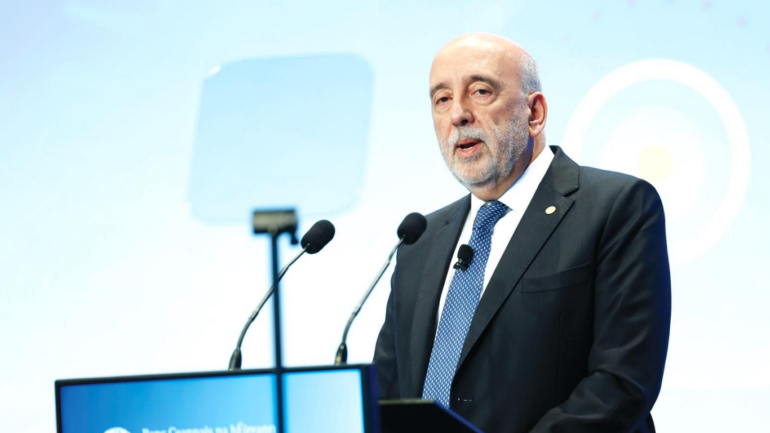
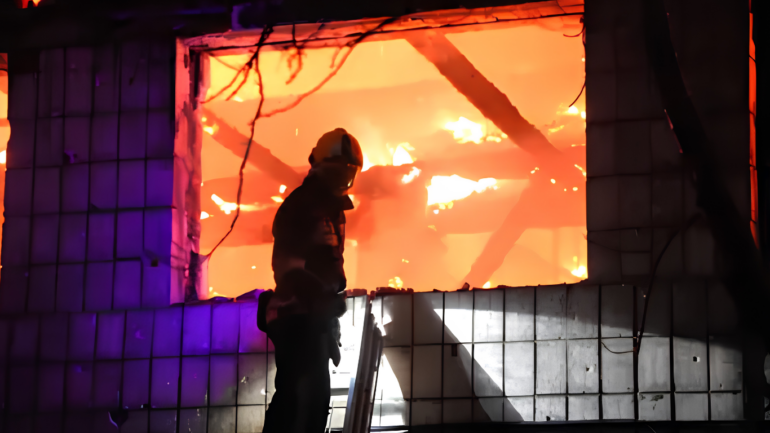
Ukrainian President Volodymyr Zelensky has dismissed Commander-in-Chief Oleksandr Syrskyi and appointed battle-hardened Major General Mykhailo Drapatyi as the country’s new military chief, marking the most significant overhaul of Ukraine’s wartime military leadership since Russia launched its full-scale invasion in 2022. The move comes after days of nationwide protests sparked by the dismissal of Defence Minister Mykhailo Fedorov, with growing public pressure exposing deep divisions over the direction of Ukraine’s war effort.
Drapatyi, 43, replaces the 60-year-old Syrskyi, who had served as commander-in-chief since February 2024. Widely regarded as one of Ukraine’s most respected frontline commanders, Drapatyi built his reputation through years of combat experience against Russian forces, including his role in defending Kharkiv and leading Ukraine’s land forces. Known as a reform-minded officer from a younger generation of military leaders, he has earned praise for promoting innovation, accountability and adaptability on the battlefield.
Announcing the decision, Zelensky thanked Syrskyi for his service, particularly his role in defending Kyiv during the opening weeks of Russia’s invasion in 2022, the Kharkiv counteroffensive and subsequent military operations. The Ukrainian president stressed that the country’s military campaign would continue uninterrupted under Drapatyi’s leadership, adding that the armed forces must continue modernising their command structure while maintaining pressure on Russian forces.
The leadership change follows an extraordinary week of political tension in Ukraine. Earlier, Zelensky removed Defence Minister Mykhailo Fedorov during a government reshuffle, replacing him with former Security Service official Yevhen Khmara. Fedorov, 35, had become one of the most popular figures in Zelensky’s administration after introducing technology-driven reforms aimed at modernising Ukraine’s military. A former Minister of Digital Transformation, he helped establish Ukraine’s “IT Army,” expanded the country’s drone programme through the “Army of Drones” initiative and introduced data-driven systems to improve battlefield effectiveness and military procurement.
His removal triggered the largest street protests Ukraine has witnessed since Russia’s invasion began. Thousands of demonstrators gathered in Kyiv and other cities, demanding Fedorov’s reinstatement and calling for Syrskyi’s dismissal. Protesters argued that Fedorov represented a new generation of leadership focused on innovation, while Syrskyi was increasingly viewed as a commander whose Soviet-style approach had slowed military reform and contributed to unnecessary battlefield losses.
Rumours of a growing rift between Fedorov and Syrskyi were later confirmed. In an unusually public criticism after leaving office, Fedorov accused the former army chief of obstructing reforms, undermining his initiatives and resisting efforts to modernise Ukraine’s armed forces. Syrskyi rejected suggestions that personal disagreements had influenced military decision-making, insisting that wartime leadership required difficult choices and that operational decisions could not be driven by public opinion alone.
Despite the tension, both men adopted a conciliatory tone after Drapatyi’s appointment. Syrskyi said he was handing over an army that had moved from a difficult defensive campaign to renewed offensive operations and expressed hope that Ukraine’s military successes would continue. Fedorov congratulated Drapatyi, describing his appointment as “a new hope in the fight of free people for freedom and justice” while thanking Syrskyi for his role in defending Kyiv and other historic battles.
Zelensky also revealed that he had offered Fedorov another senior government role focused on technology and innovation, although it remains unclear whether the former defence minister has accepted the proposal. Analysts say the move appears designed to ease political tensions while retaining one of Ukraine’s most influential reformers within the government.
Drapatyi now assumes command at a critical stage of the war. Ukraine continues to intensify long-range strikes against Russian military infrastructure while attempting to sustain momentum along the front line. His immediate priorities include restructuring the armed forces, accelerating weapons procurement, expanding drone capabilities and improving coordination between frontline units.