

Listeners:
Top listeners:
 play_arrow
 Cosoro Afrobeats UK's #1 Afrobeats Radio Station
 play_arrow
 Cosoro Pidgin Na we bi di #1 UK Pidgin Radio
 play_arrow
 Cosoro Evergreen UK's #1 Radio for Timeless African Sounds


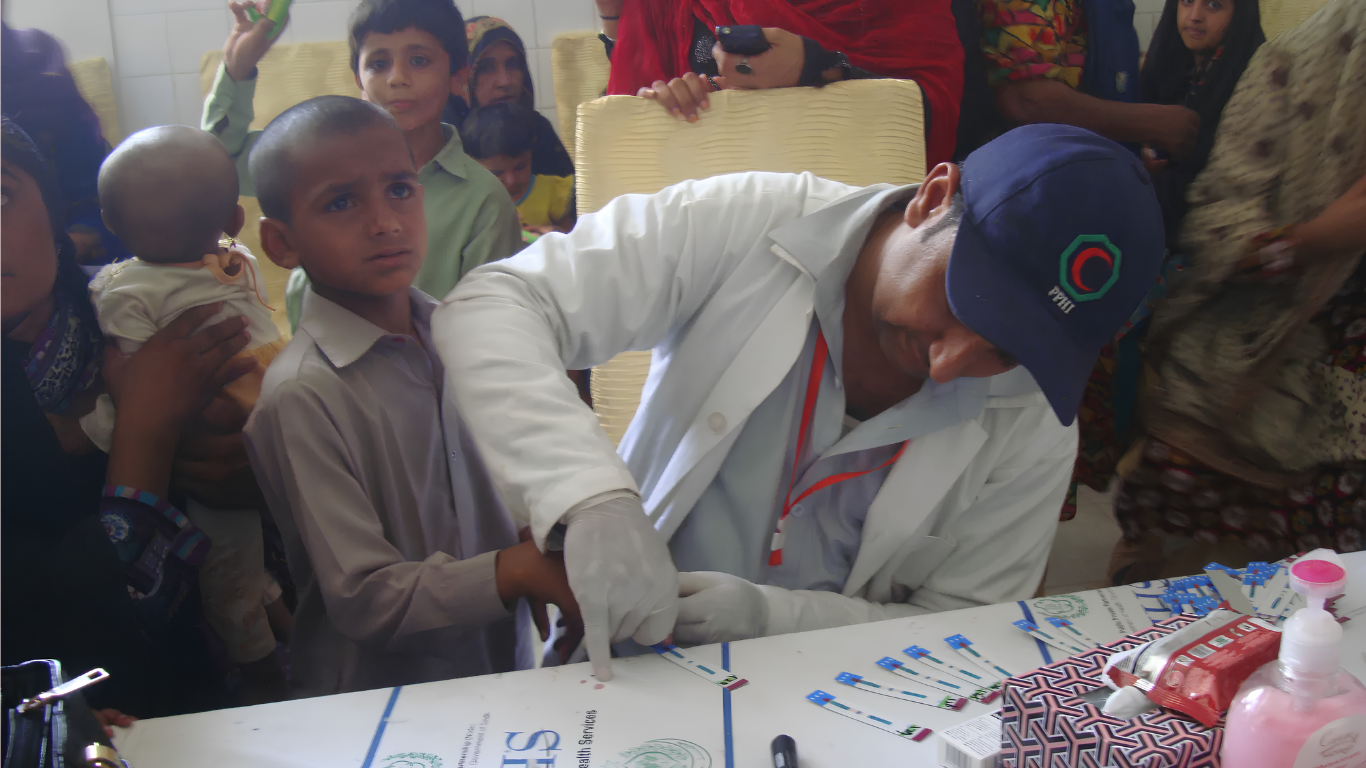
Pakistan’s southern Sindh province is once again confronting a worrying rise in HIV infections among children, reviving concerns about unsafe medical practices and weaknesses in the country’s healthcare system. Health officials say hundreds of children have tested positive for HIV in recent months, prompting renewed investigations and raising fears that Pakistan is facing another public health emergency similar to the devastating outbreak that shocked the country in 2019.
According to provincial health authorities, 329 of the 894 HIV cases recorded in Sindh during the first quarter of 2026 involved children. Officials warn that the true scale of the outbreak could be significantly higher, as many cases remain undiagnosed due to limited testing and persistent stigma surrounding HIV. The latest infections have been reported across several districts, with health experts describing the figures as deeply alarming.
The latest surge follows another recent incident that intensified public concern. Earlier this month, authorities launched an investigation after at least 78 children contracted HIV at Karachi’s Kulsoom Bai Valika Hospital. Sindh provincial officials said preliminary findings pointed to possible medical negligence, while promising that those responsible would face legal action and that affected children would receive treatment and long-term medical support.
Health experts say the current outbreak cannot be understood without looking back at the 2019 HIV crisis in Ratodero, a town in Sindh’s Larkana district. That outbreak became one of the largest child-focused HIV epidemics ever recorded. Hundreds of children unexpectedly tested positive after investigations revealed widespread reuse of contaminated syringes and poor infection-control practices at clinics and healthcare facilities. The World Health Organization declared the situation a Grade 2 emergency as the number of confirmed infections continued to rise, with children accounting for the overwhelming majority of cases.
Subsequent investigations identified several factors behind the spread of HIV, including the repeated use of disposable syringes, poorly sterilised medical equipment, unsafe blood transfusions and inadequate regulation of private healthcare providers. Public health researchers have also pointed to unsafe dental procedures, barber tools, tattoo equipment and mother-to-child transmission as additional contributors in some communities. Medical experts say many of these systemic problems have not been fully addressed despite reforms introduced after the 2019 outbreak.
Pakistan has one of the fastest-growing HIV epidemics in Asia. Although overall prevalence remains relatively low compared with many countries, the number of new infections has steadily increased over the past decade. International health agencies have repeatedly warned that limited public awareness, social stigma, weak disease surveillance and inconsistent infection-control standards continue to hinder efforts to contain the virus. Rural communities are particularly vulnerable because of limited access to qualified healthcare providers and regular HIV testing.
In response to the latest outbreak, provincial authorities have expanded HIV screening programmes, strengthened surveillance and increased the distribution of antiretroviral medicines for infected children. Officials have also pledged stricter oversight of hospitals and private clinics to improve infection prevention measures. Public health specialists, however, argue that emergency responses alone will not be enough. They say Pakistan must implement lasting reforms, including tighter regulation of healthcare facilities, improved medical training, safer injection practices and broader public education campaigns if similar outbreaks are to be prevented in the future.