
Listeners:
Top listeners:
 play_arrow
 Cosoro Afrobeats UK's #1 Afrobeats Radio Station
 play_arrow
 Cosoro Pidgin Na we bi di #1 UK Pidgin Radio
 play_arrow
 Cosoro Evergreen UK's #1 Radio for Timeless African Sounds


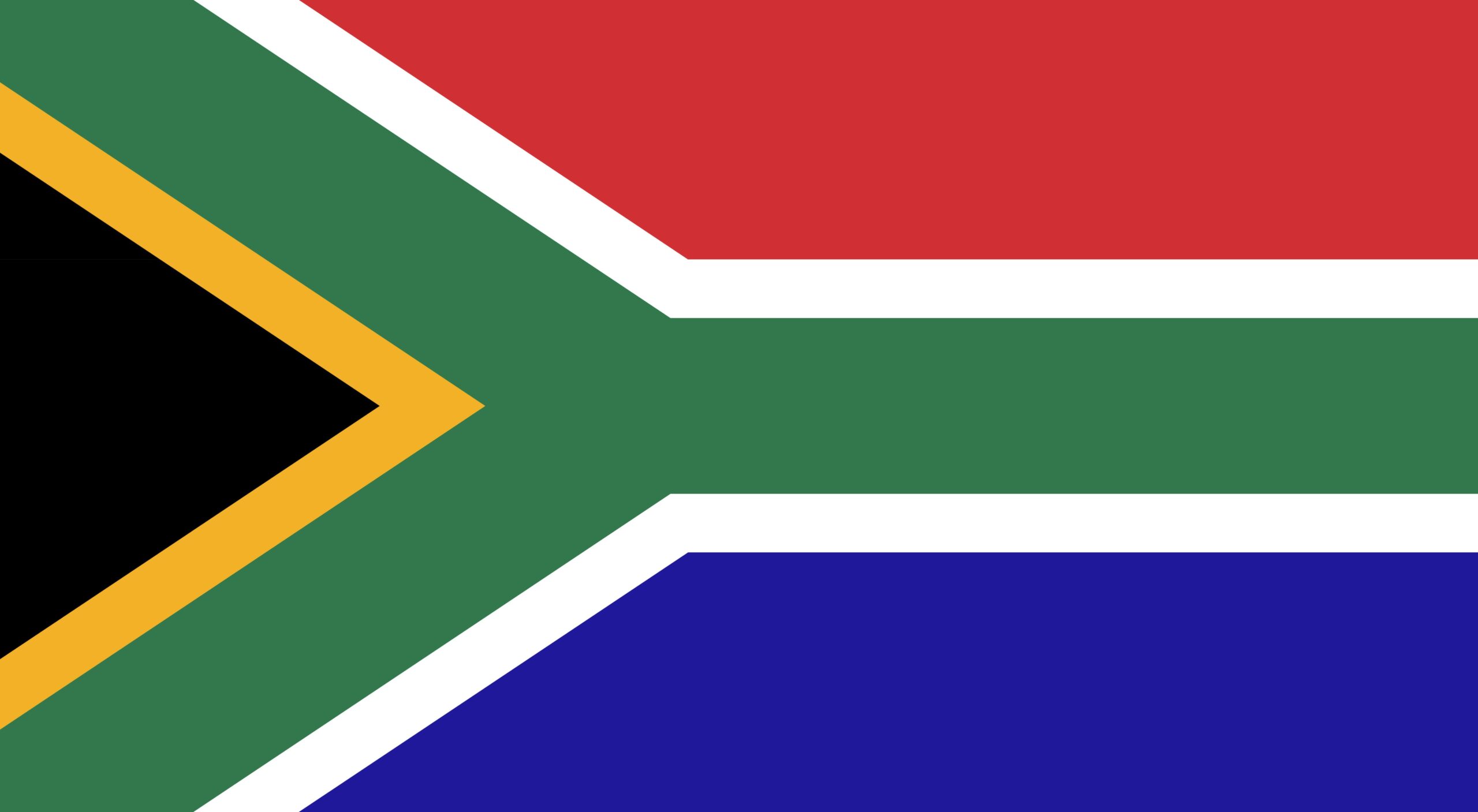
South Africa has deployed thousands of police officers, backed by the military, as the country braces for nationwide anti migrant protests that many fear could trigger another wave of xenophobic violence. Businesses have shut their doors, public transport has been disrupted and many foreign nationals have chosen to stay indoors or leave the country altogether, reflecting the level of anxiety surrounding the demonstrations.
The protests follow an ultimatum issued by anti-immigration groups demanding that undocumented migrants leave South Africa by June 30. Although organisers insist the marches will be peaceful, memories of previous attacks on foreign nationals have left many unconvinced. Thousands of migrants some with valid legal documents have already fled their homes or sought refuge in temporary shelters after facing threats, evictions and intimidation.
The government has vowed to protect lives and property while respecting the constitutional right to peaceful protest. President Cyril Ramaphosa has acknowledged public concerns over illegal immigration but warned that frustration must not be allowed to turn into violence or vigilantism. Security agencies say anyone involved in looting, attacks or intimidation will face the full force of the law.
The unrest reflects deeper challenges that extend beyond immigration. South Africa continues to struggle with high unemployment, poverty and rising living costs, creating frustration that some groups have directed towards migrants. Yet studies have consistently shown that many of the claims linking foreign nationals to crime and job losses are exaggerated, suggesting that the country’s broader economic and governance problems cannot be solved by targeting migrants alone.
As the country remains on high alert, the coming days will test not only the strength of South Africa’s security response but also its ability to uphold the rule of law while protecting vulnerable communities. How the authorities handle the protests could shape both domestic stability and South Africa’s standing across the African continent.