
Listeners:
Top listeners:
 play_arrow
 Cosoro Afrobeats UK's #1 Afrobeats Radio Station
 play_arrow
 Cosoro Pidgin Na we bi di #1 UK Pidgin Radio
 play_arrow
 Cosoro Evergreen UK's #1 Radio for Timeless African Sounds


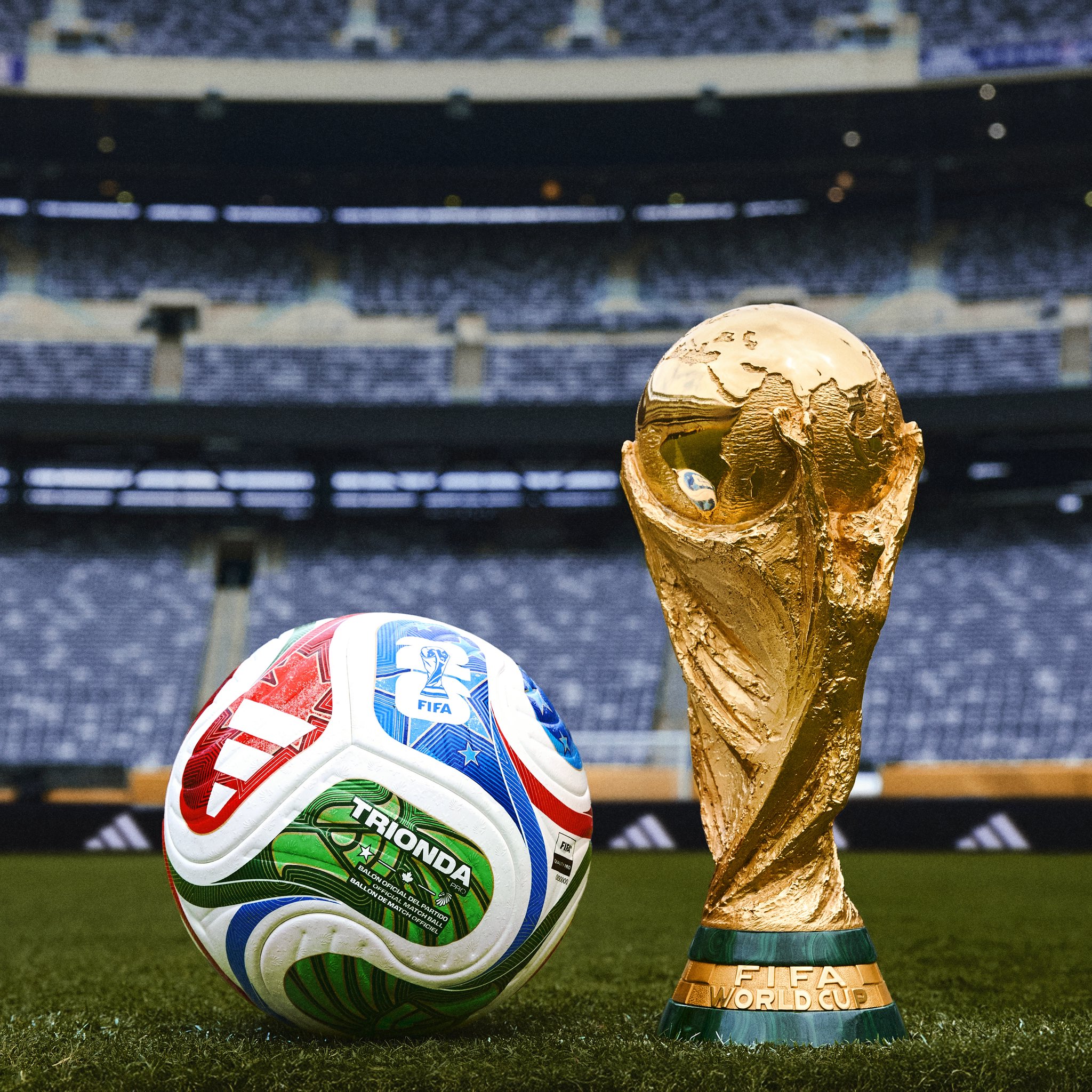
The expanded 48-team FIFA World Cup was designed to give more nations a chance to compete on football’s biggest stage. For some countries, it has created opportunities to make history. For others, however, the dream has ended almost as quickly as it began.
With the group stage entering its final stretch, a handful of teams have already seen their hopes of reaching the knockout rounds disappear. Their exits tell different stories, some were overwhelmed by superior opposition, some failed to capitalize on crucial moments, while others simply found themselves in groups where every mistake proved costly.
One of the earliest casualties of the tournament was Haiti. Drawn into a challenging group containing Brazil, Morocco and Scotland, the Caribbean nation struggled to keep pace with more experienced opposition. Haiti opened with a narrow 1-0 defeat to Scotland before suffering another setback that left them unable to mathematically qualify for the Round of 32. Despite showing flashes of attacking intent, they were unable to convert possession into goals and paid the price against teams with greater tournament experience.
Tunisia’s campaign has been even more difficult. The North Africans entered the tournament hoping to build on their reputation as one of Africa’s most consistent World Cup participants, but heavy defeats effectively ended their hopes. A 5-1 loss to Sweden was followed by a 4-0 defeat against Japan, leaving Tunisia with nine goals conceded in just two matches. Those results ultimately guaranteed their elimination before their final group game against the Netherlands. The disappointing performances even led to a coaching change during the tournament, highlighting the scale of the crisis facing the team.
Jordan have also seen their World Cup adventure come to an early end. Making only their second appearance on football’s biggest stage, Jordan showed determination but lacked the depth needed to compete consistently at this level. Their decisive moment came in a 2-1 defeat to Algeria. Despite taking the lead through Nizar Al-Rashdan and recording the country’s first-ever World Cup lead, Jordan were eventually overwhelmed by Algeria’s superior attacking pressure. The loss condemned them to a second consecutive defeat and ended any realistic qualification hopes. Algeria outshot Jordan 14-2 in the second half alone, underlining the difference in quality that ultimately proved decisive.
Türkiye also saw their World Cup ambitions cut short after failing to secure the results required to stay alive in their group. Entering the tournament with hopes of making a deep run, the Europeans struggled to convert opportunities into points and ultimately paid the price in a highly competitive group. Their elimination came as one of the tournament’s early surprises given the quality within the squad.
While not officially among the tournament’s weakest sides on paper, Ecuador have also endured a frustrating campaign. After losing 1-0 to Ivory Coast, they were held to a goalless draw by Curaçao in a match many expected them to win. The dropped points left their qualification hopes hanging by a thread and placed enormous pressure on their remaining fixtures. Their inability to score in crucial moments has become one of the defining themes of their tournament.
What makes these eliminations particularly notable is the format of the 2026 World Cup itself. For the first time, 48 teams are competing, and not only do the top two teams from each group advance, but eight of the best third-placed teams also progress to the Round of 32. In theory, this structure gives countries more room for error than in previous tournaments. Yet the early exits of Tunisia, Haiti and Jordan show that even with expanded opportunities, consistency remains essential.
The departures also highlight the growing competitiveness of international football. Nations that might once have expected comfortable victories are finding themselves pushed to the limit. Morocco’s draw with Brazil, DR Congo’s impressive performance against Portugal, and Ivory Coast’s disciplined displays demonstrate that the gap between traditional powers and emerging football nations continues to shrink.
For the teams already heading home, the focus will now shift to reflection and rebuilding. The World Cup always creates heroes, but it also delivers heartbreak. For these nations, the journey has ended sooner than expected. Yet in a tournament that continues to expand and evolve, today’s disappointment may become tomorrow’s motivation.