
Listeners:
Top listeners:
 play_arrow
 Cosoro Afrobeats UK's No.1 Afrobeats Radio Station
 play_arrow
 Cosoro Pidgin Na we bi di No.1 UK Pidgin Radio
 play_arrow
 Cosoro Evergreen UK's No.1 Radio for Timeless African Sounds


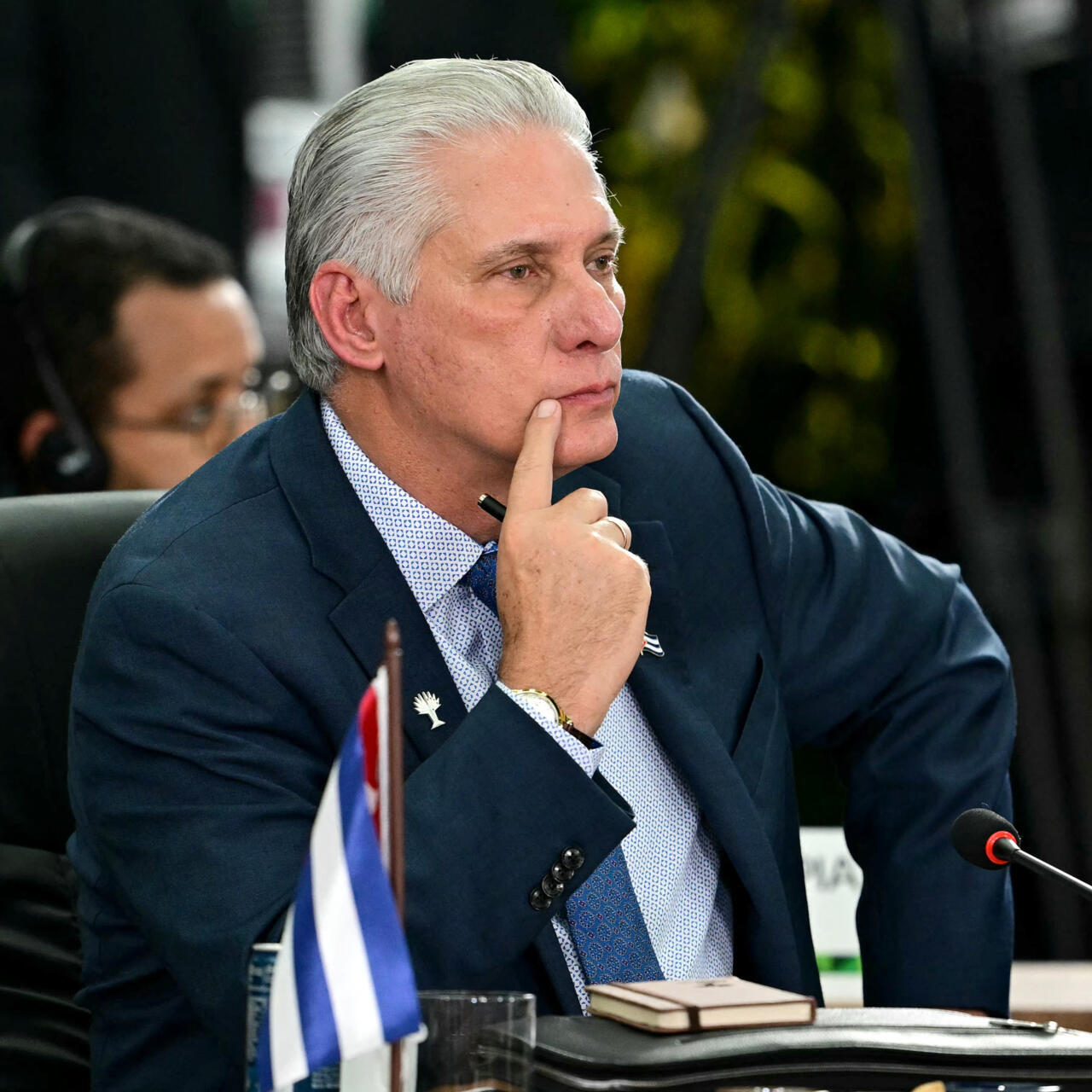
The United States has intensified its campaign against Cuba’s leadership by imposing fresh sanctions on President Miguel Díaz-Canel, marking one of the most significant moves yet in Washington’s efforts to increase pressure on the island’s government. The measures, announced by the US Treasury Department, also target several individuals closely connected to Cuba’s ruling establishment, including members of the Castro family and key government institutions.
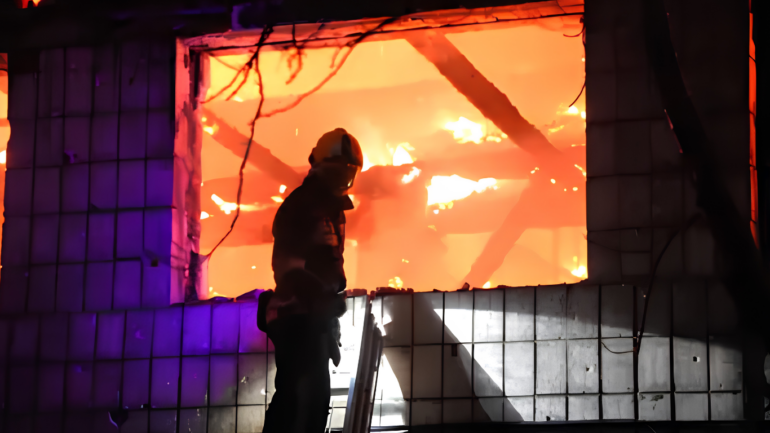
The latest sanctions come at a particularly sensitive time for Cuba, which is grappling with one of its most severe economic and energy crises in decades. Widespread fuel shortages, recurring blackouts, declining tourism revenues, and shortages of basic goods have placed enormous strain on the country, fueling growing frustration among citizens and increasing international attention on the island’s future.
According to US officials, the sanctions are part of a broader strategy aimed at holding Cuba’s leadership accountable and increasing pressure on the government. The measures freeze any assets subject to US jurisdiction and further isolate targeted individuals from the American financial system. In addition to Díaz-Canel, those sanctioned include his wife, Lis Cuesta Peraza, and several figures linked to the Castro family, which has remained influential in Cuban politics for decades.
The move represents the latest escalation in an already tense relationship between Washington and Havana. Relations between the two countries have been strained for more than six decades following the Cuban Revolution and the subsequent US embargo. While there have been periods of diplomatic engagement, particularly during the administration of former US President Barack Obama, recent years have seen relations deteriorate once again amid disagreements over democracy, human rights, and Cuba’s political system.
Miguel Díaz-Canel has been Cuba’s president since 2018, becoming the first leader outside the Castro family to hold the position since the 1959 revolution. Despite the symbolic transition, many observers note that Cuba’s political structure has remained largely unchanged under his leadership. Díaz-Canel has frequently blamed US sanctions and economic restrictions for the country’s difficulties, arguing that the embargo has significantly limited Cuba’s ability to access fuel, investment, and essential supplies.
The sanctions arrive amid broader efforts by the Trump administration to increase economic and political pressure on Havana. Recent measures have targeted Cuban state-linked businesses, military-affiliated entities, and sectors such as tourism, which remains one of the country’s most important sources of foreign currency. Several international hotel operators have already scaled back or ended operations in Cuba following concerns over the expanding sanctions regime.
Cuban officials have strongly condemned the latest action. Foreign Minister Bruno Rodríguez described the sanctions as interventionist and accused Washington of attempting to provoke instability within the country. Havana has consistently argued that external pressure will not force political change and has called on the United States to end longstanding restrictions instead of expanding them.
For Cuba, the timing could hardly be more challenging. The country continues to confront economic hardship, declining energy supplies, and persistent power outages that have affected daily life across the island. While the government has sought support from allies and explored diplomatic channels to ease some of the pressure, the latest sanctions suggest that tensions between the two nations may continue to deepen in the months ahead.