
Listeners:
Top listeners:
 play_arrow
 Cosoro Afrobeats UK's #1 Afrobeats Radio Station
 play_arrow
 Cosoro Pidgin Na we bi di #1 UK Pidgin Radio
 play_arrow
 Cosoro Evergreen UK's #1 Radio for Timeless African Sounds


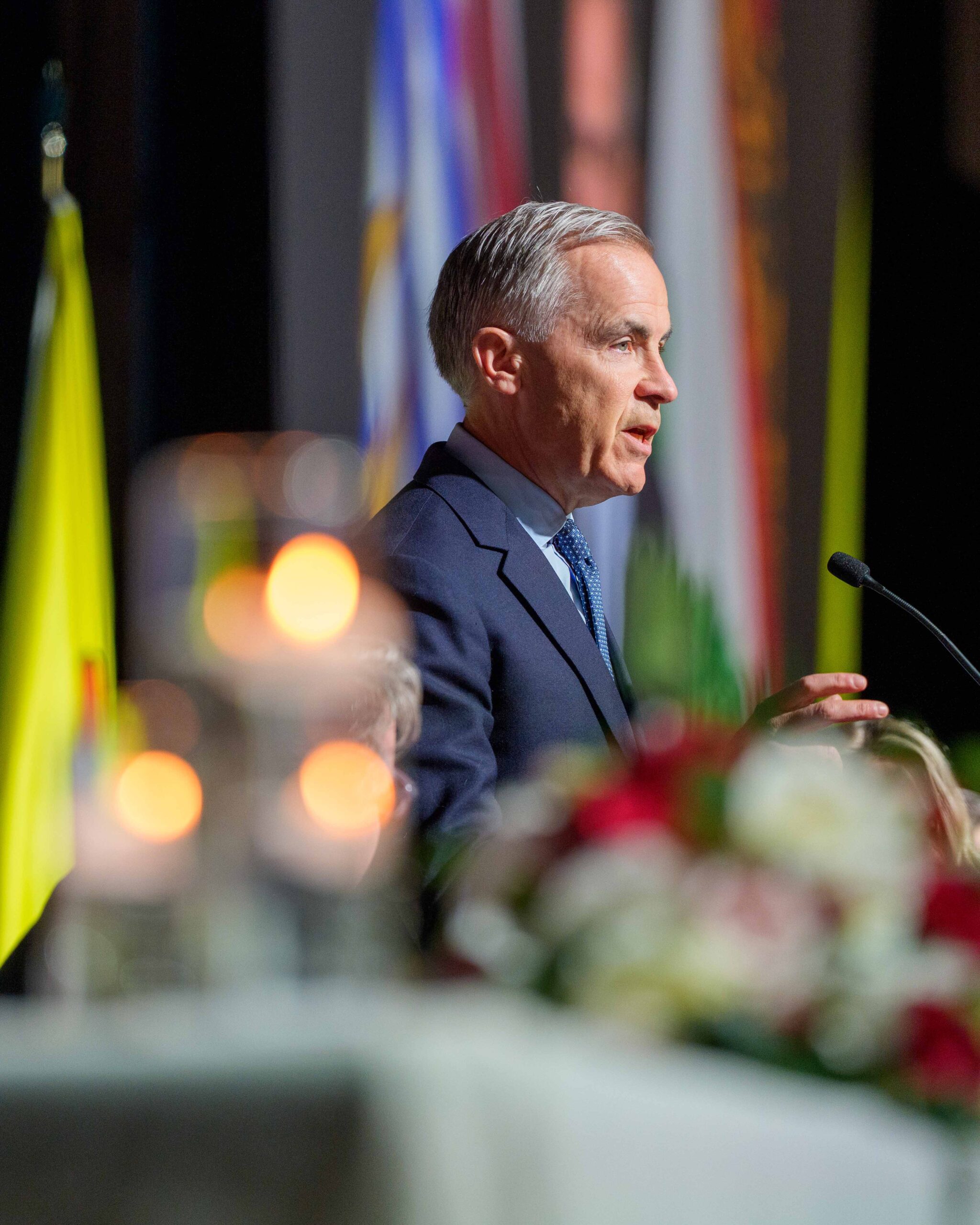
Prime Mnister Mark Carney attends the National Prayer Breakfast at the Rogers Centre in Ottawa on March 24, 2026. Pic: Office of the Prime Minister
Canadian Prime Minister Mark Carney has described Alberta’s upcoming referendum on whether to pursue separation from Canada as a “dangerous bluff,” warning that the vote could lead to unintended consequences similar to the United Kingdom’s Brexit decision.
Speaking to reporters, Carney said the UK’s experience showed how referendums driven by dissatisfaction with central government can produce long-term outcomes that differ from voters’ expectations. He argued that Brexit left Britain “trying to undo what people didn’t think they were voting for, but what they ended up having,” and urged caution as Alberta moves toward its own political crossroads.
The referendum scheduled for 19 October will ask Albertans whether they want to remain in Canada or authorize a binding vote on independence at a later date. Carney said he would actively campaign for Canadian unity in the lead-up to the vote, emphasizing what he called a “strong, positive case for Canada” and for Alberta’s place within it.
The political debate has intensified in the oil-rich province, where independence supporters argue that Alberta has been economically constrained by federal policies, particularly environmental regulations they say limit oil and gas development and pipeline expansion. The movement has gained momentum over the past year, with a grassroots petition collecting more than 300,000 signatures in favour of holding a vote on separation.
However, the legal and political path to the referendum has been contested. A court ruling previously struck down the petition after Indigenous First Nations groups in Alberta argued they were not properly consulted during the process. Despite this setback, Alberta Premier Danielle Smith has moved forward with plans for a referendum question on separation, citing both public pressure and a separate counter-petition signed by more than 400,000 people calling for the province to remain within Canada.
Smith has rejected the court’s decision and maintained that Albertans should still be allowed to express their views through a plebiscite. While she has expressed disagreement with Ottawa on several issues, she has also said she will campaign for Alberta to remain in Canada, pointing to recent improvements in federal-provincial relations.
The referendum has now become a focal point of broader tensions between Alberta and the federal government, reflecting long-standing disputes over resource control, economic autonomy, and environmental policy. Analysts say Carney’s intervention underscores how seriously federal leaders view the potential consequences, particularly given Alberta’s economic importance as a major energy-producing province.
As campaigning begins to take shape, the debate is expected to intensify in the coming months, with both supporters and opponents of independence framing the vote as a defining moment for Alberta’s political and economic future within Canada.