

Listeners:
Top listeners:
 play_arrow
 Cosoro Afrobeats UK's #1 Afrobeats Radio Station
 play_arrow
 Cosoro Pidgin Na we bi di #1 UK Pidgin Radio
 play_arrow
 Cosoro Evergreen UK's #1 Radio for Timeless African Sounds



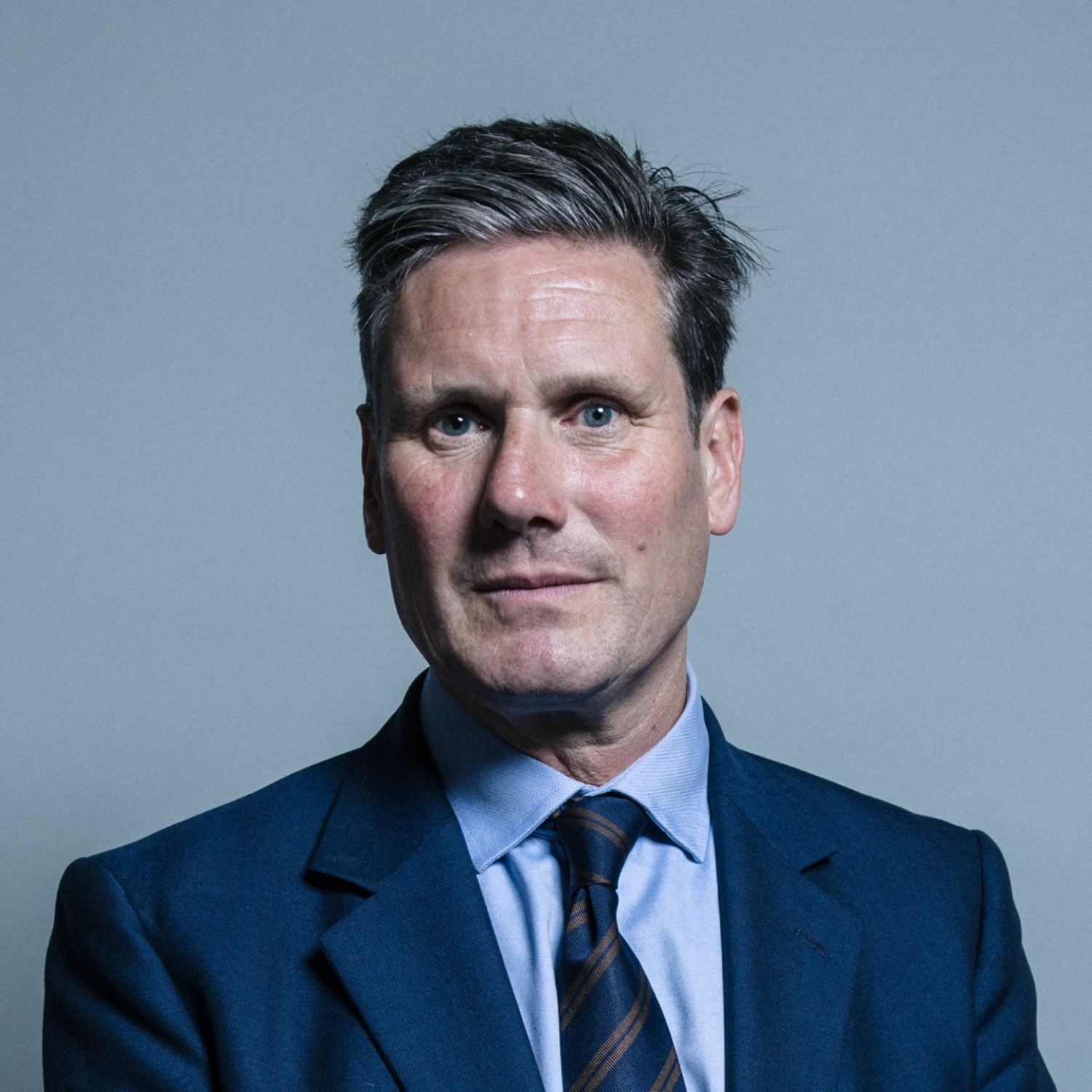
Pic: Parliament Uk
The UK government is preparing for one of its most far-reaching interventions yet in children’s digital lives, after Prime Minister Sir Keir Starmer said new rules on social media use for under-16s must amount to a “game-changer.” The comments come as an official online safety consultation closes, paving the way for ministers to finalise proposals that could significantly reshape how young people access and interact with social media platforms.
Speaking during a visit to Brighton, Starmer made clear that the government now sees action as inevitable rather than optional. He said ministers already possess the necessary legal authority to introduce restrictions and would act “very, very quickly” once the consultation period ends at midnight. The urgency of his remarks reflects growing political pressure in the UK and beyond to address concerns about the effects of social media on children’s mental health, exposure to harmful content, and compulsive usage patterns driven by platform algorithms.
At the centre of the debate is a potential ban on social media access for children under 16, a move that would represent one of the strictest age-based restrictions in Europe if implemented. However, officials are also weighing alternative measures that could prove more targeted or technologically focused. These include mandatory curfews limiting the hours young users can access apps, and regulatory changes aimed at forcing platforms to redesign algorithms that currently prioritize engagement-driven content, which critics say can amplify harmful or addictive material.
The consultation that has just closed was designed to gather public and expert input on how far the government should go in regulating children’s online experiences. It reflects mounting concern among parents, educators, and mental health professionals that existing safeguards are not keeping pace with rapidly evolving digital platforms. Social media companies have long argued that they already provide tools such as age verification systems and parental controls, but regulators and campaigners have questioned whether these measures are effective in practice.
Starmer’s comments suggest that the government is now leaning toward stronger statutory intervention rather than relying on voluntary industry action. He stressed that the goal is to protect children and that the state must be willing to act decisively if existing systems are deemed insufficient. The framing of the policy as a “game-changer” signals that ministers are aware of both the scale of the challenge and the political sensitivity surrounding restrictions on digital freedoms.
If implemented, the proposed changes would place the UK among a small but growing number of countries exploring stricter controls on youth access to social media. It would also likely trigger significant debate over enforcement, particularly around how platforms would verify users’ ages without compromising privacy or pushing children toward unregulated spaces online.
The next phase now rests with ministers, who are expected to review consultation feedback and present concrete proposals in the coming period. While the exact shape of the policy remains undecided, the direction of travel is clear: the UK government is preparing for a much tighter regulatory approach to children’s use of social media, with potential consequences for tech companies, schools, parents, and millions of young users across the country.