
Listeners:
Top listeners:
 play_arrow
 Cosoro Afrobeats UK's #1 Afrobeats Radio Station
 play_arrow
 Cosoro Pidgin Na we bi di #1 UK Pidgin Radio
 play_arrow
 Cosoro Evergreen UK's #1 Radio for Timeless African Sounds


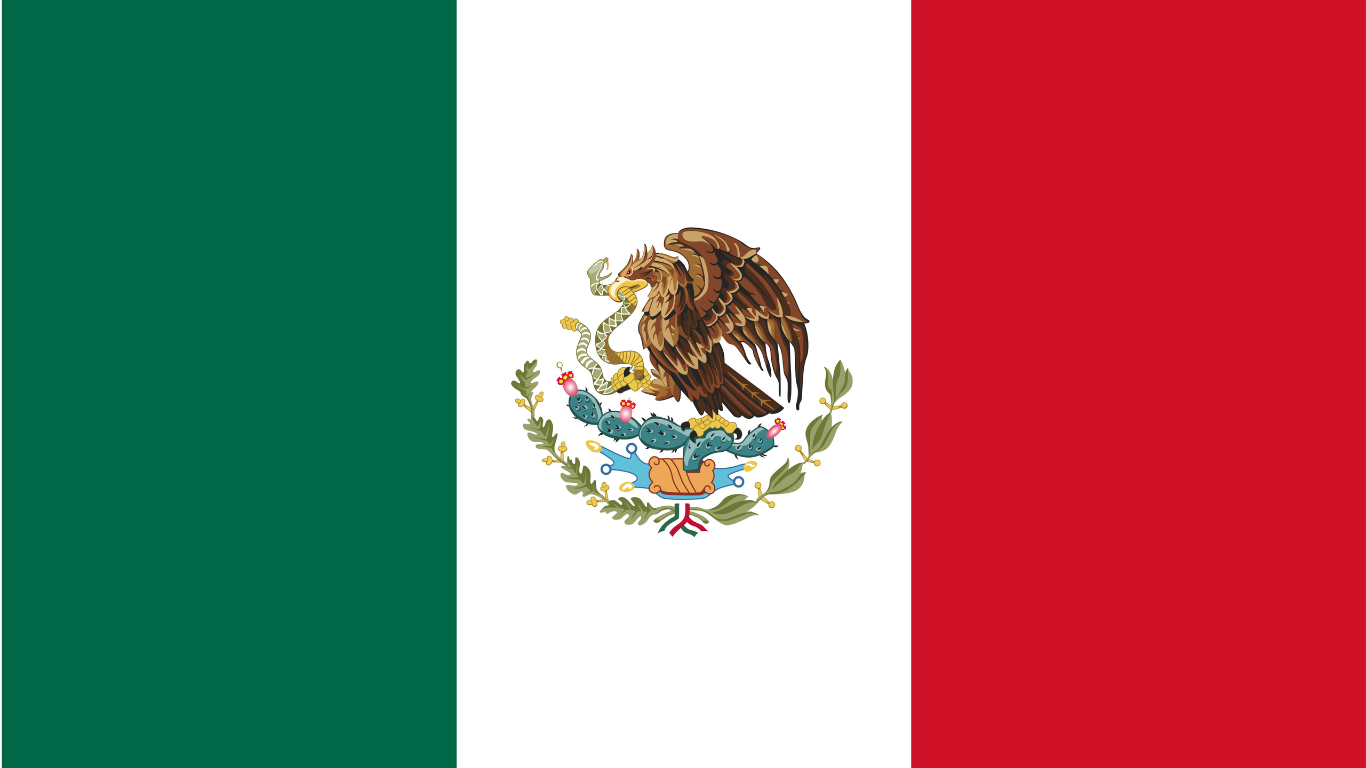
The government of Mexico has abandoned a controversial proposal to shorten the school year by more than a month in order to ease pressure from anticipated traffic congestion during the 2026 FIFA World Cup and an expected extreme heatwave.
The decision marks a reversal after widespread public criticism from parents, educators, and civil society groups who warned the plan would seriously disrupt children’s education and create childcare challenges for families across the country.
Mexico is set to co-host the FIFA World Cup 2026 alongside the United States and Canada from June 11 to July 19, an event expected to significantly increase travel demand, particularly in major host cities.
The controversy began after Mexico’s Education Minister Mario Delgado announced on May 7 that the school year could end early, on June 5, citing “an extraordinary heatwave, the World Cup and other factors” as the motivation behind the proposal.
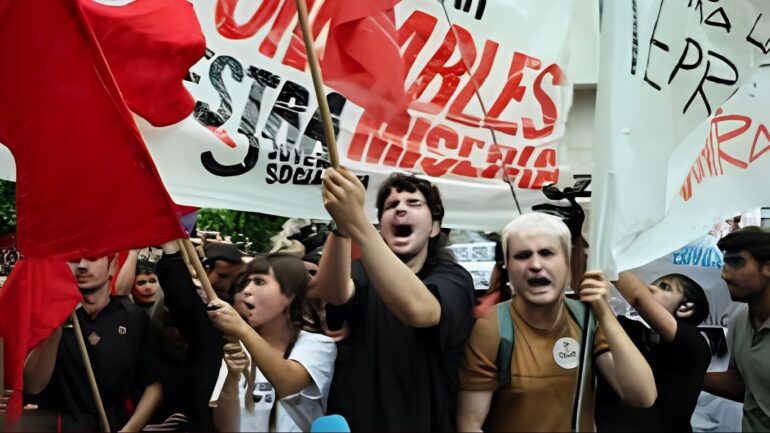
The suggestion immediately triggered public backlash. Parents’ groups argued that the decision was rushed and poorly communicated, warning that millions of families would be forced to suddenly arrange weeks of childcare or risk leaving children unsupervised during working hours.
The National Union of Parents described the justification for closing schools early due to the World Cup as “inexcusable,” reflecting widespread frustration over what many saw as an unnecessary disruption to the academic calendar.
Mexican President Claudia Sheinbaum later moved to calm tensions, clarifying that the proposal was not final and had not been formally approved by the government.
Following further consultations between the education ministry, parent organisations, and education think tanks, authorities confirmed on Monday that the plan would be dropped.
Under the revised schedule, classes will now end on July 15 as originally planned, restoring the standard academic calendar and easing concerns among families and educators.
Officials said the consultations helped clarify the potential social and educational impact of the proposal, particularly on working parents and students preparing for end-of-year examinations.
The reversal highlights the challenges facing Mexican authorities as they prepare to manage the logistical pressures of hosting one of the world’s largest sporting events while also addressing extreme weather conditions and public expectations.
With the World Cup approaching, attention is now shifting toward how Mexico will manage transport, infrastructure, and public services during the tournament, without disrupting everyday life for millions of residents.