

Listeners:
Top listeners:
 play_arrow
 Cosoro Afrobeats UK's #1 Afrobeats Radio Station
 play_arrow
 Cosoro Pidgin Na we bi di #1 UK Pidgin Radio
 play_arrow
 Cosoro Evergreen UK's #1 Radio for Timeless African Sounds



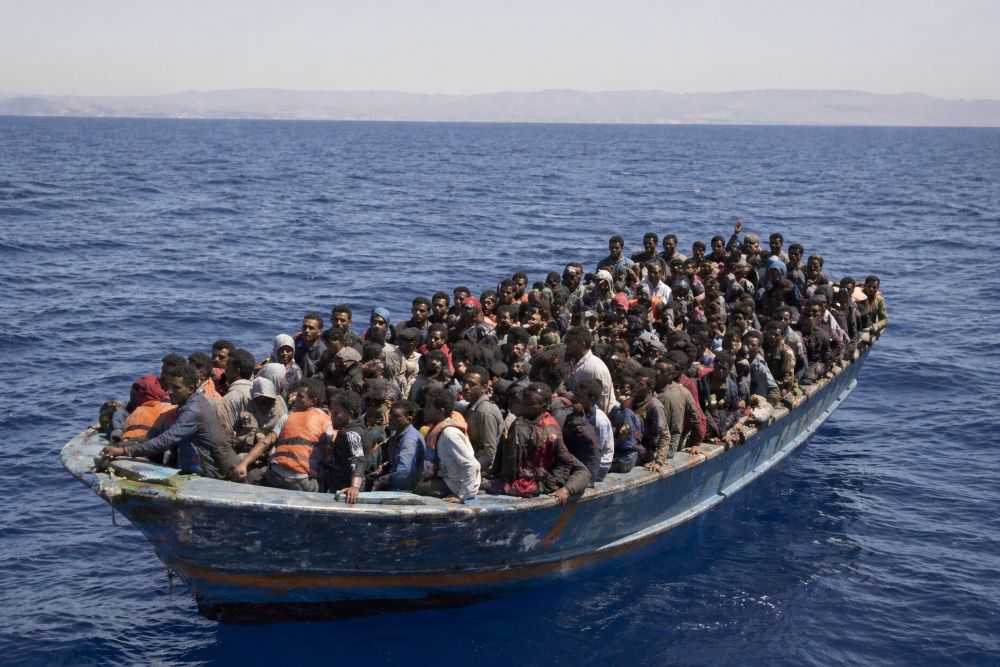
Nearly 900 Rohingya refugees were reported dead or missing during dangerous sea crossings in 2025, making it the deadliest year on record for the crisis, the UNHCR has said.
According to the report, an estimated 6,500 Rohingya attempted perilous journeys across the Andaman Sea and the Bay of Bengal last year. Of those, more than one in seven were reported dead or missing, giving the route the highest mortality rate globally among major refugee sea crossings.
The crossings, often carried out on overcrowded and unseaworthy boats, are driven by desperation among Rohingya communities fleeing violence in Myanmar and deteriorating conditions in refugee camps in Bangladesh. Many of those attempting the journeys are women and children, highlighting the vulnerability of those affected.
Despite the mounting death toll, the trend has continued into 2026. More than 2,800 Rohingya had already embarked on similar sea journeys by mid-April, underscoring the lack of safe and legal pathways for those seeking refuge.
Recent incidents illustrate the ongoing danger. In April, a boat carrying around 250 people capsized after departing from southern Bangladesh, leaving most passengers missing and feared dead. Survivors described extreme overcrowding and life-threatening conditions during the journey.
Humanitarian agencies say the crisis is being worsened by funding shortages. The UN refugee agency has appealed for $200 million to support Rohingya refugees in Bangladesh, particularly in camps such as Cox’s Bazar and on Bhasan Char island. However, only about one-third of the required funding has been secured, limiting access to food, shelter, and essential services.
Currently, more than 1.3 million Rohingya remain displaced across the region, with the majority living in Bangladesh under increasingly difficult conditions.
UN officials warn that without increased international support and long-term solutions, including improved living conditions and safe repatriation options, the cycle of dangerous migration is likely to continue. As one UNHCR spokesperson noted, families would not risk such journeys unless driven by extreme desperation—a reality reflected in the rising death toll at sea.