

Listeners:
Top listeners:
 play_arrow
 Cosoro Afrobeats UK's #1 Afrobeats Radio Station
 play_arrow
 Cosoro Pidgin Na we bi di #1 UK Pidgin Radio
 play_arrow
 Cosoro Evergreen UK's #1 Radio for Timeless African Sounds


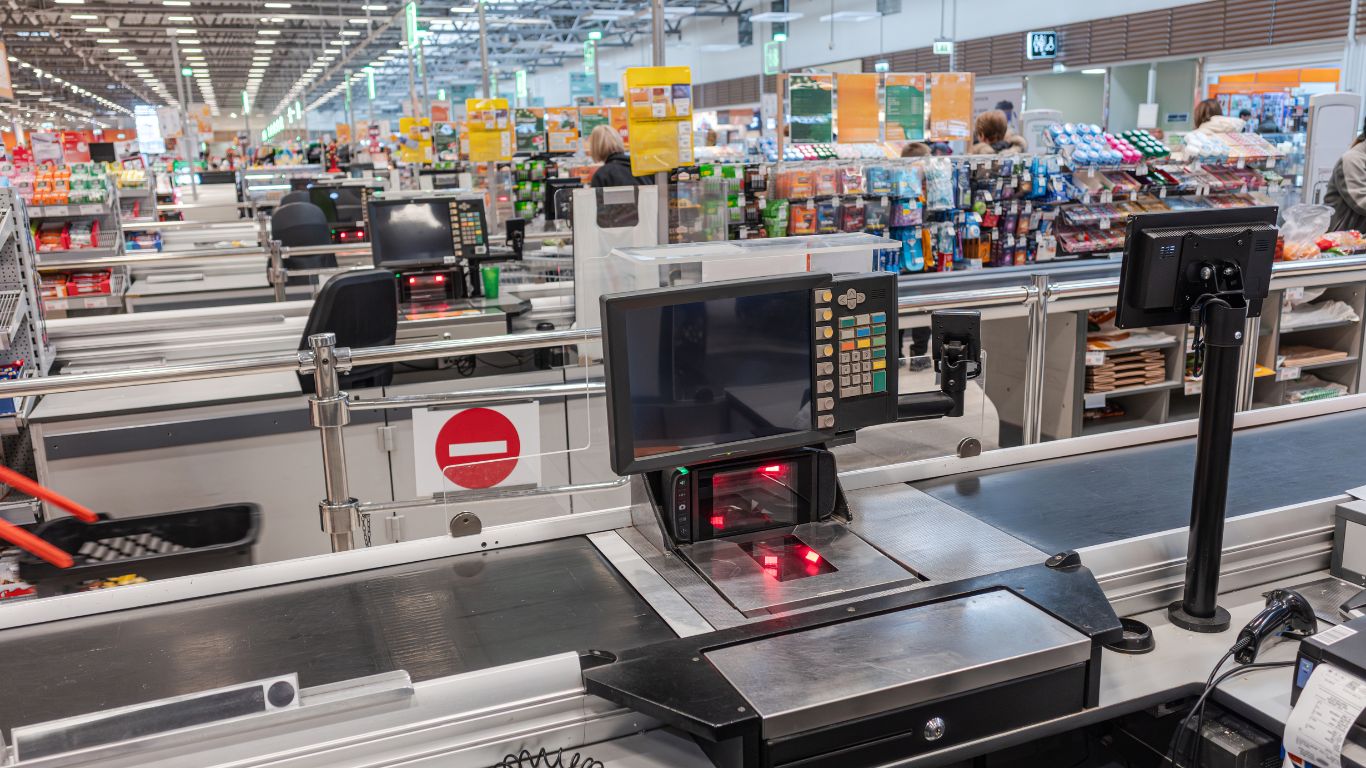
Scotland’s First Minister John Swinney has pledged to introduce legal caps on the price of essential supermarket goods, as part of a wide-ranging cost-of-living package unveiled in his party’s manifesto ahead of the upcoming Holyrood election.
Announcing the plans in Glasgow, the leader of the Scottish National Party said the proposed measures would target everyday food items such as bread, milk, cheese, eggs, rice and chicken, staples he described as fundamental to maintaining a “decent diet.” The policy would require large supermarkets to cap the price of between 20 and 50 essential items, though retailers would only need to limit the cost of at least one version of each product rather than every brand available.
Swinney framed the proposal as both an economic and public health intervention, arguing that rising food prices have made it increasingly difficult for families to afford basic nutrition. “People are, quite simply, struggling to afford food,” he said, calling the situation “a moral outrage” in a country as wealthy as Scotland.
The move comes amid heightened cost-of-living pressures, exacerbated in part by global instability, including the ongoing Iran conflict 2020s, which has driven up the cost of food and fuel. Swinney said his government would explore using devolved public health powers to implement the price caps, though details on the legal mechanism remain unclear.
The supermarket proposal forms part of a broader manifesto focused on easing financial strain and boosting economic stability. Among the key pledges are plans to simplify Scotland’s income tax system, maintain lower tax burdens for low- and middle-income earners, and avoid raising income tax rates over the next five years. The party also aims to introduce a nationwide £2 cap on bus fares and expand access to funded childcare.
Beyond economic measures, Swinney outlined priorities including improving access to GP services, reducing NHS waiting times, tackling child poverty, and intensifying action on climate change. He emphasized that economic growth and job creation would remain central to his government’s agenda.
The First Minister, who has been in office for nearly two years, described the 7 May election as pivotal, not only for domestic policy but also for Scotland’s constitutional future. He urged voters to back the SNP with a majority mandate, framing the vote as a pathway toward a second independence referendum and a potential return to the European Union.
The proposed food price cap is likely to spark debate among economists and retailers, with questions already emerging over its feasibility and potential impact on supply chains and competition. Supporters argue it could provide immediate relief for struggling households, while critics warn it may lead to unintended consequences, such as reduced product availability or increased prices elsewhere.
As the election approaches, the policy signals a bold attempt by the SNP to position itself as tackling the cost-of-living crisis head-on—while also advancing its longer-term vision for Scotland’s economic and political future.