





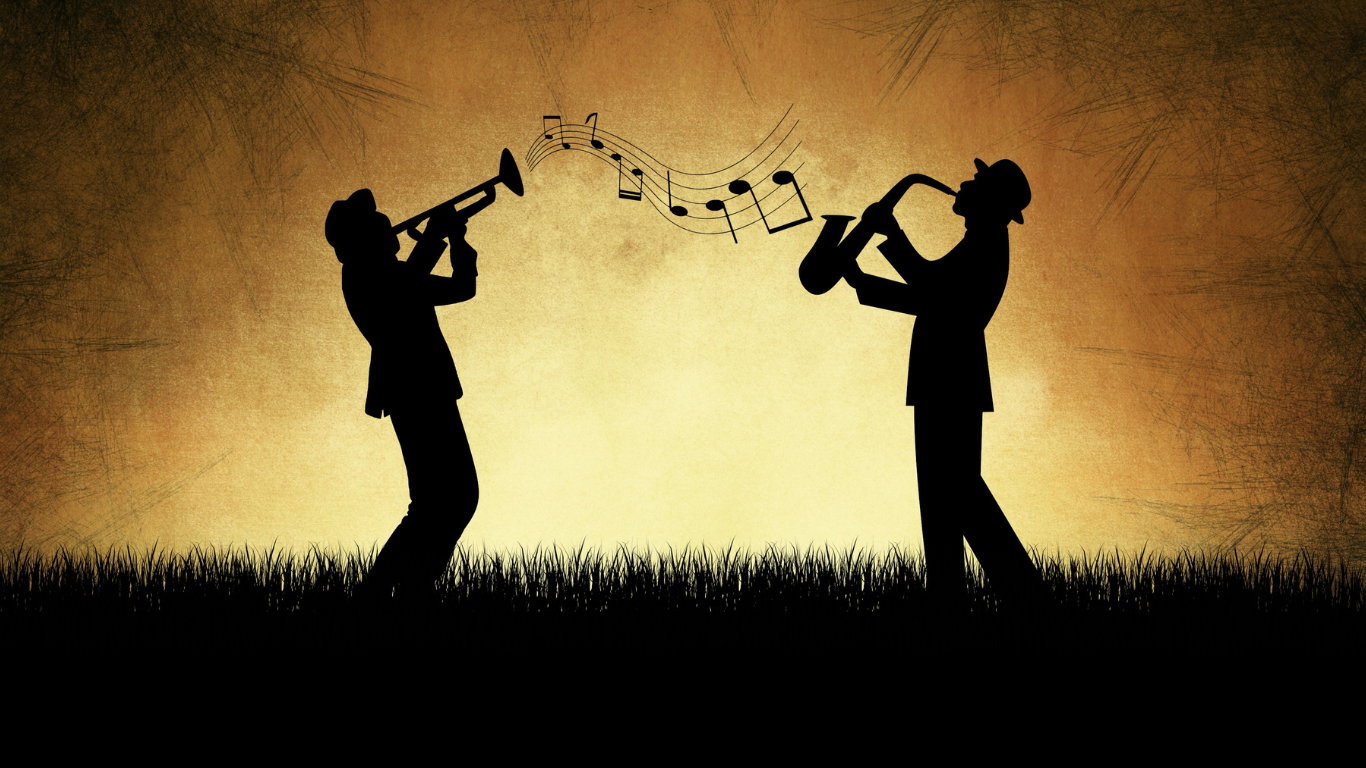
Sampling and interpolation are important techniques used in modern music production and digital audio processing. They help musicians, producers, and sound engineers record, manipulate, and reproduce sound in digital form. These concepts are widely applied in digital audio workstations and electronic music production.
Sampling in music refers to the process of recording or capturing a portion of sound and converting it into digital data that can be reused or manipulated. In digital audio, sound exists as a continuous waveform, but computers cannot store continuous signals directly. Therefore, the sound wave is measured at very small time intervals, and each measurement becomes a digital sample. The collection of these samples forms a digital representation of the original sound.
Sampling can also refer to taking a segment of an existing recording and reusing it in another musical composition. Producers often take short clips such as drum beats, melodies, or vocal phrases from earlier songs and incorporate them into new tracks. This technique is very common in genres like hip-hop and electronic music. Many artists have built their sound around sampling, including Kanye West and J Dilla, who are known for creatively reworking older recordings into new musical pieces.
Interpolation in music is related but serves a different purpose. Instead of directly copying a piece of the original recording, interpolation involves recreating or re-performing elements of an existing song. A musician may replay a melody, chord progression, or rhythm from another track and include it in a new composition. This process uses the musical idea of the original work but generates a new recording rather than using the original audio sample.
Interpolation is often used when producers want to avoid using the original sound recording but still wish to reference a familiar musical element. For example, artists may re-record a melody from a well-known song while changing the arrangement, tempo, or instrumentation. Many modern songs reference earlier music through interpolation rather than direct sampling.
The main difference between sampling and interpolation in music lies in how the original material is used. Sampling uses the actual audio from a previous recording, while interpolation recreates the musical idea by recording it again. Sampling involves copying part of the sound recording itself, whereas interpolation involves performing the musical elements again without using the original audio.
Both techniques play a significant role in shaping contemporary music. Sampling allows producers to blend sounds from different eras and styles, while interpolation enables artists to creatively reinterpret earlier works. Together, they contribute to the evolution of musical genres and the development of new sounds in the music industry.