

Listeners:
Top listeners:
 play_arrow
 Cosoro Afrobeats UK's #1 Afrobeats Radio Station
 play_arrow
 Cosoro Pidgin Na we bi di #1 UK Pidgin Radio
 play_arrow
 Cosoro Evergreen UK's #1 Radio for Timeless African Sounds



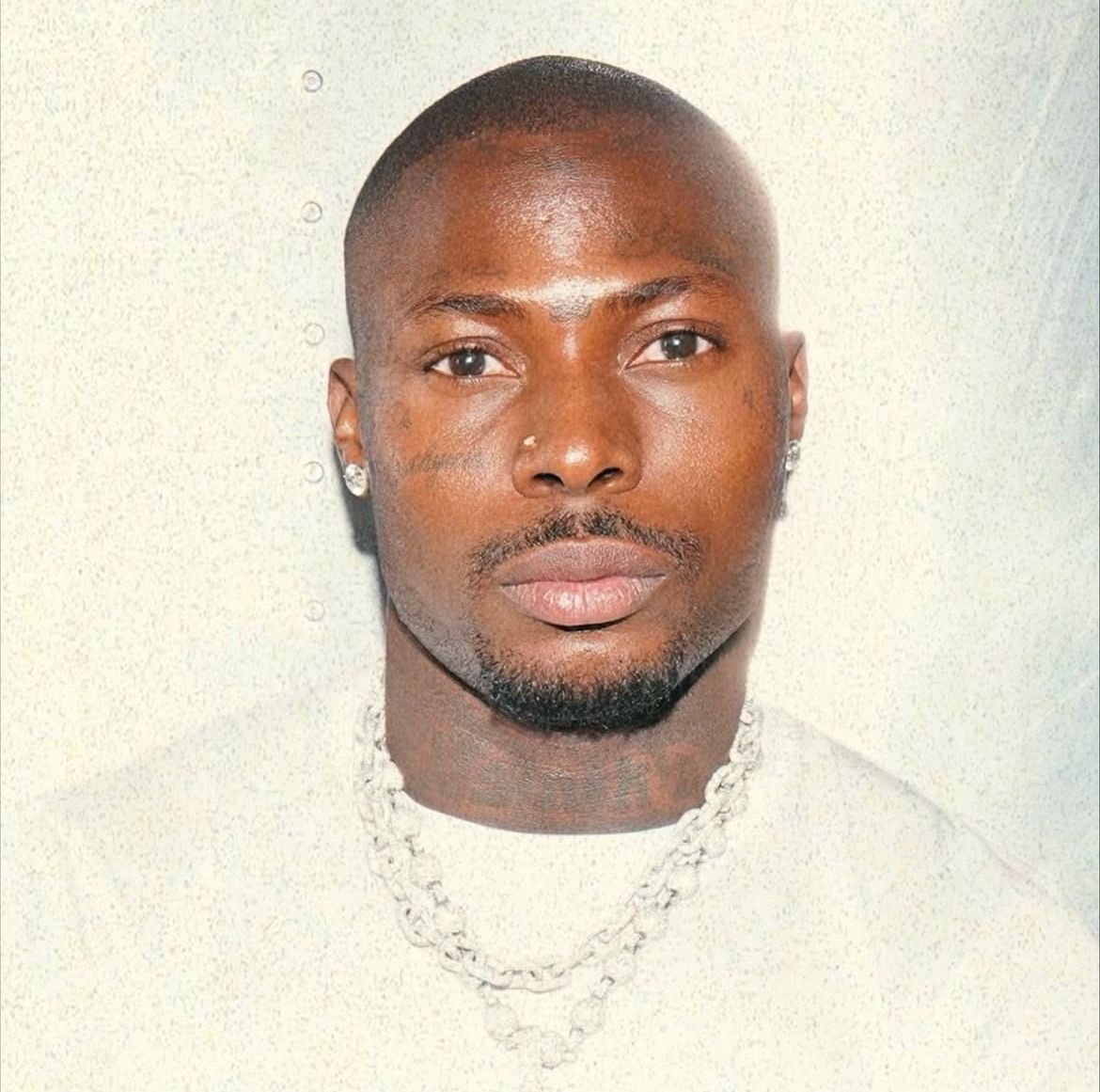
Nigerian Afrobeat Asake has opened up about the early struggles that marked his rise to international stardom, including being rejected from performance shows simply because he sang predominantly in Yoruba.
In a candid and inspiring interview with Famous TV, the Sungba crooner recounted that in the beginning, hurdles weren’t just financial or creative, they were cultural. According to Asake, several show promoters declined to book him because his music leaned into his native language rather than English, which many promoters felt was more commercially viable. Despite these setbacks, he said he never compromised his artistic identity, choosing instead to trust his craft and stay true to his roots.
“That period was tough,” Asake reflected, crediting his success to God’s grace, self-belief, consistency, and endurance. “At some point, a lot of people said no to me; they didn’t allow me to perform at shows because I spoke Yoruba. But thank God I didn’t stop, and I kept believing in myself,” he explained, now looking back with gratitude at how far he’s come.
Asake’s journey from being turned away to becoming one of Nigeria’s most celebrated artists underscores a broader shift taking place in the global music scene: audiences everywhere are increasingly embracing music that celebrates local languages and cultural authenticity. His commitment to singing in Yoruba, a choice once seen as a barrier has become part of what makes his sound so compelling and globally resonant, helping him stand shoulder to shoulder with Afrobeat heavyweights on the world stage.
Today, Asake’s blend of Yoruba lyrics with Afrobeat, Amapiano, and other modern influences not only defines his personal artistic identity but also reflects a growing confidence among African musicians to prioritize cultural expression over homogenized global trends. The hurdles he faced early on have now become a testament to his resilience and a motivational emblem for aspiring artists who believe in the power of staying true to themselves.
From rejection based on language to headline-making performances, Asake’s story is a powerful reminder that innovation often arises from the courage to be authentically original.