

Listeners:
Top listeners:
 play_arrow
Cosoro Afrobeats UK's #1 Afrobeats Radio Station
 play_arrow
Cosoro Pidgin Na we bi di #1 UK Pidgin Radio
 play_arrow
Cosoro Evergreen UK's #1 Radio for Timeless African Sounds


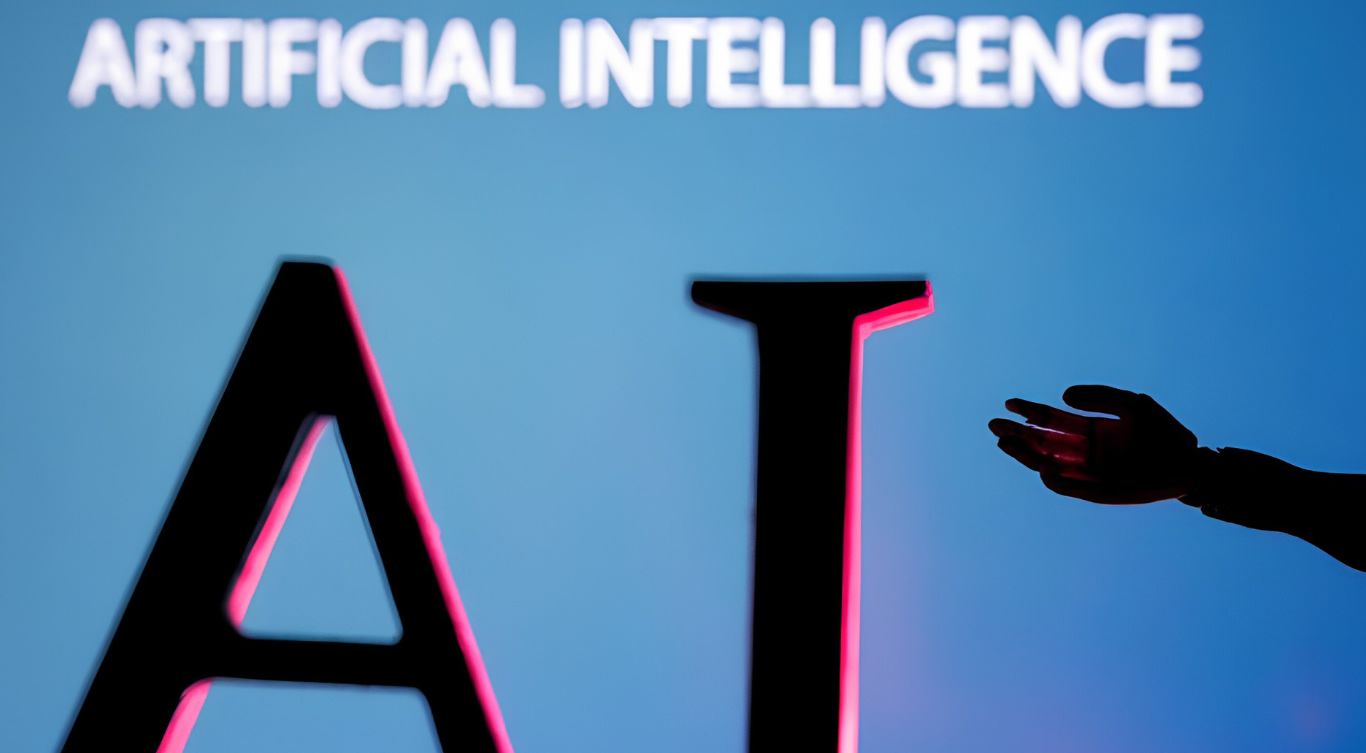
Investors are becoming increasingly cautious about the enormous sums technology companies are spending on artificial intelligence, with growing concerns over rising debt, financing arrangements and whether the investments will generate enough profits to justify their costs.
A report published by Reuters on Wednesday, November 25, 2026, highlighted the growing unease in financial markets despite continued enthusiasm for AI and a recent recovery in some technology shares.
The concerns centre on major technology companies investing billions of dollars in data centres, advanced computer chips and other infrastructure needed to develop and operate artificial intelligence systems. While demand for computing power remains strong, investors are increasingly questioning how quickly companies will turn these investments into sustainable revenue and profits.
Companies such as Microsoft, Alphabet, Amazon, Meta and Oracle are among those committing substantial resources to AI infrastructure. Their spending has helped drive growth across the technology sector, but the scale of investment is placing pressure on cash flow and increasing reliance on borrowing.
According to TechCrunch, Alphabet, Amazon, Meta and Microsoft outlined plans involving more than $740 billion in capital expenditure for 2026, much of which is expected to support AI infrastructure. The publication also reported that five major technology companies, including Oracle, raised a combined $326 billion in debt during the year, around three times the amount raised in 2025.
Fresh evidence of investor anxiety emerged in credit markets on Wednesday. Reuters reported that the cost of insuring against debt defaults among several technology companies had risen sharply, reflecting concerns about the financial risks surrounding the AI investment boom.
SoftBank’s five year credit default swap spread climbed to 501 basis points, its highest level since October 2022. The company’s shares also fell 14% on Wednesday and were down almost 40% for November.
Credit default swaps are financial instruments that allow investors to protect themselves against the possibility that a company will fail to repay its debt. Rising costs indicate that lenders and investors are becoming more concerned about the risk of default.
Reuters also reported that credit default swap spreads for Oracle, Alphabet, SpaceX and CoreWeave reached record levels. CoreWeave, a company that provides computing infrastructure for AI, recorded a spread of 1,314 basis points, with market data suggesting a 68% estimated probability of default over five years.
Despite these concerns, the risks remain more manageable for larger companies with substantial revenue. Reuters noted that Oracle’s record high spread translated to $3.56 to insure $100 worth of its debt, while analysts warned that the growing financial pressure could become more serious if demand for computing power weakens.
One major concern is the financing structure behind the AI expansion. Some technology companies are using borrowing and complex financial arrangements to fund infrastructure projects, while others are entering agreements that commit them to future spending. Investors are worried that these arrangements could expose lenders to greater risks if expected AI revenue fails to materialise.
The International Monetary Fund has also warned about rising financial leverage across the AI industry. In its October 2026 analysis, the IMF said that weaker-than-expected earnings or slower returns from AI investments could trigger a reassessment of investor confidence and increase pressure across financial markets.
However, the concerns do not necessarily mean that demand for artificial intelligence is declining. Major cloud providers continue to report growth, and businesses across different industries are expanding their use of AI tools. The challenge is whether the financial benefits will grow quickly enough to match the enormous cost of building the technology.
The latest developments signal a shift in how investors are evaluating the AI industry. Rather than rewarding companies simply for announcing bigger investment plans, financial markets are increasingly looking for evidence of stronger earnings, sustainable cash flow and clear returns.
As technology companies continue to compete for leadership in artificial intelligence, their ability to turn massive infrastructure spending into long term profits could determine how sustainable the current AI investment boom becomes.