
Listeners:
Top listeners:
 play_arrow
Cosoro Afrobeats UK's #1 Afrobeats Radio Station
 play_arrow
Cosoro Pidgin Na we bi di #1 UK Pidgin Radio
 play_arrow
Cosoro Evergreen UK's #1 Radio for Timeless African Sounds


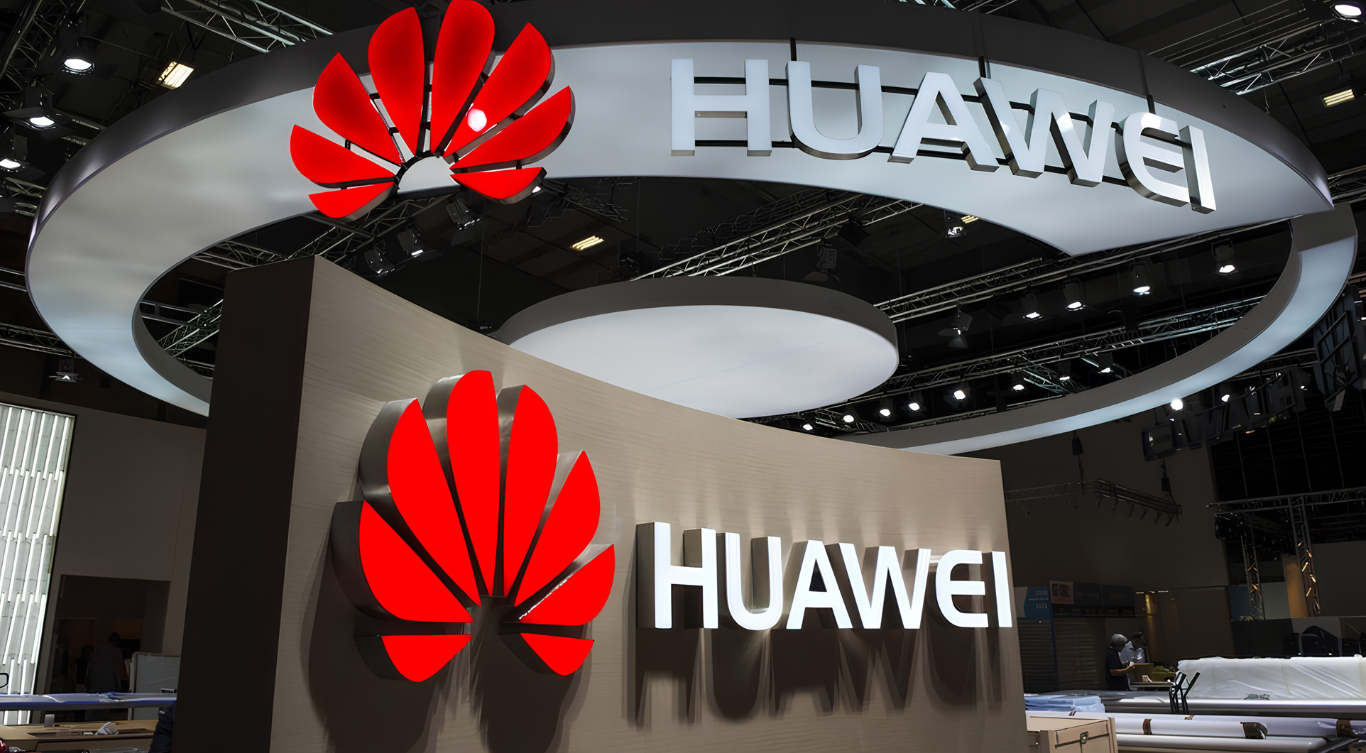
Chinese telecommunications giant Huawei has been found guilty of multiple criminal offences in the United States following a lengthy federal trial examining its business dealings in Iran and allegations that it stole confidential technology from American companies. The verdict marks a major development in a case that has strained relations between Washington and Beijing for years.
On Tuesday, November 24, 2026, a federal jury in Brooklyn, New York, convicted Huawei and three of its subsidiaries on 10 of the 12 criminal counts they faced. The convictions include bank fraud, wire fraud, violations of US sanctions against Iran, money laundering conspiracy and conspiring to steal trade secrets from American technology companies.
However, the jury acquitted the company of racketeering conspiracy, one of the most serious charges brought by prosecutors, as well as conspiring to obstruct justice. The racketeering allegation had sought to establish that Huawei operated as a criminal enterprise involved in systematic theft of intellectual property.
Prosecutors argued that Huawei concealed the extent of its business operations in Iran through a company called Skycom, which they said was effectively a Huawei subsidiary rather than an independent business partner. According to the prosecution, Huawei misled major international banks, including HSBC, Standard Chartered and BNP Paribas, about its relationship with Skycom to maintain access to US dollar transactions despite American sanctions on Iran.
The case also examined allegations that Huawei spent years obtaining confidential technology from American companies and business partners. Evidence presented during the trial included claims that the company copied source code belonging to Cisco Systems, obtained antenna technology from Quintel and misappropriated information about T-Mobile’s testing robot, known as Tappy.
The proceedings also brought renewed attention to the 2018 arrest of Huawei’s chief financial officer, Meng Wanzhou, in Canada. Meng, the daughter of the company’s founder, had been detained on a US extradition request over allegations that she misled an HSBC banker about Huawei’s Iranian operations. She returned to China in 2021 after reaching a deferred prosecution agreement, and the charges against her were subsequently dropped.
Huawei’s lawyers maintained that the prosecution had combined isolated incidents involving individual employees into an exaggerated account of a company-wide conspiracy. The company expressed disappointment with the verdict but said it expected to appeal.
The case began in 2018, and the United States placed Huawei on its trade blacklist the following year, restricting its access to American technology over national security concerns. Sentencing for Huawei and its subsidiaries is scheduled for September 14, 2027, with the potential financial penalties yet to be determined.
Despite years of restrictions, Huawei remains a major global technology company, employing more than 200,000 people and operating in approximately 170 countries. The full impact of the latest convictions on its international business remains uncertain.