

Listeners:
Top listeners:
 play_arrow
Cosoro Afrobeats UK's #1 Afrobeats Radio Station
 play_arrow
Cosoro Pidgin Na we bi di #1 UK Pidgin Radio
 play_arrow
Cosoro Evergreen UK's #1 Radio for Timeless African Sounds


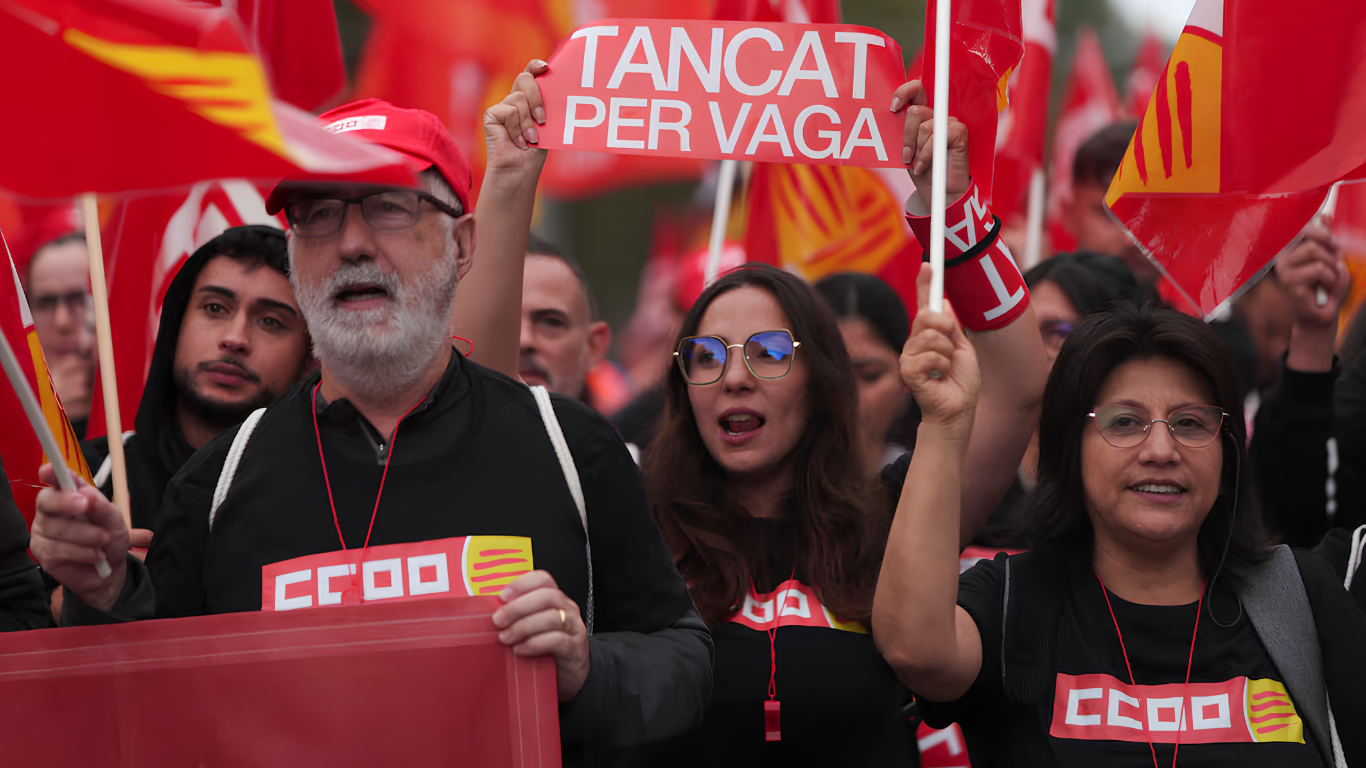
Image Credit: REUTERS
Workers across Spain staged the country’s first general strike in 14 years on Wednesday, November 11, demanding urgent government action over rising rents, housing shortages and growing insecurity in the rental market. The nationwide walkout, backed by Spain’s two largest trade unions, UGT and CCOO, alongside tenants’ associations and other labour groups, disrupted factories, transport, ports and other essential services less than three weeks before the country’s November 29 snap election.
The protest comes as housing affordability has become one of Spain’s most pressing concerns. According to figures cited by the country’s central bank, Spain faces a housing shortage of approximately 750,000 homes, a deficit projected to exceed one million by 2028. Average monthly rent has reached around €1,176, equivalent to nearly 99 per cent of the average monthly salary earned by young people. The situation has made it increasingly difficult for many residents to secure affordable accommodation, particularly in major cities where demand continues to outstrip supply.
Anger intensified following the eviction of an 87-year-old woman, Maricarmen, from her home in Madrid last month. Her subsequent death became a rallying point for housing activists, who say the incident highlights the hardship faced by renters and vulnerable residents. Protesters are demanding stronger tenant protections, restrictions on tourist apartments, action against property speculation and measures to prevent evictions. The unions are also calling for greater government intervention in the housing market and a new agreement on minimum wages.
The strike affected several major industries, with unions reporting early participation of around 90 per cent in the automotive and port sectors, 85 per cent in meat processing, 82 per cent in waste collection and 75 per cent in energy. Factories belonging to Volkswagen in Navarre and SEAT in Barcelona reportedly experienced major stoppages. Healthcare and postal services recorded lower participation. Demonstrations were also complicated by severe weather warnings across several regions, while tensions emerged at Madrid’s Mercamadrid wholesale market, where police confirmed one arrest following confrontations with protesters.
The walkout has also taken on political significance as Prime Minister Pedro Sánchez faces a challenging election campaign. His government has supported measures to ease rental pressures and limit evictions, but opposition parties have resisted some of the proposals, arguing that increased regulation could discourage landlords from offering properties. Protesters, however, have made clear that they also hold the national government responsible for failing to resolve the housing crisis.
With the election approaching, the strike has placed housing affordability firmly at the centre of Spain’s political debate. While the unions and housing organisations are pressing for immediate policy changes, the demonstrations reflect a wider frustration among residents who increasingly struggle to afford a place to live.