
Listeners:
Top listeners:
 play_arrow
Cosoro Afrobeats UK's #1 Afrobeats Radio Station
 play_arrow
Cosoro Pidgin Na we bi di #1 UK Pidgin Radio
 play_arrow
Cosoro Evergreen UK's #1 Radio for Timeless African Sounds


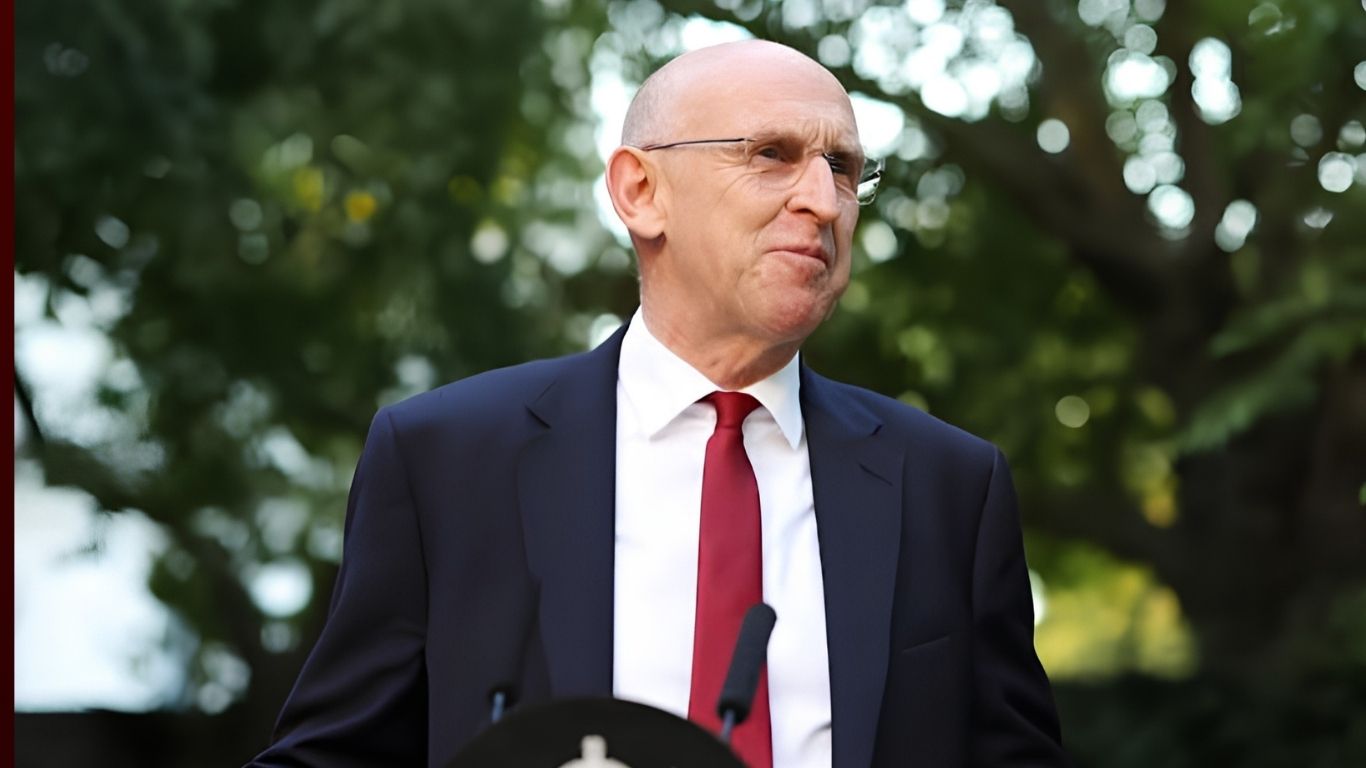
Britain’s opposition Conservatives have criticised Chancellor John Healey’s first Budget, describing it as inadequate and lacking ambition, as the country’s economic watchdog warned that the outlook for household living standards remains bleak.
The criticism followed the Chancellor’s Budget statement on Wednesday, October 28, 2026, which introduced several measures aimed at easing the cost of living while attempting to manage the country’s growing financial pressures. However, the Office for Budget Responsibility (OBR) delivered a sobering assessment, warning that economic growth is weakening and households are unlikely to see significant improvements in their disposable income.
Conservative leader Kemi Badenoch accused the government of failing to address Britain’s economic challenges, arguing that the country was already facing excessive spending, borrowing and taxation. She said the Budget did not meet the scale of the problems confronting the nation and criticised Labour for failing to deliver the decisive changes she believes are needed to strengthen the economy.
The OBR downgraded its forecast for UK economic growth in 2027 from 1.6 per cent to just one per cent. It also warned that rising energy costs and inflation would continue to put pressure on household finances. Professor David Miles, a member of the OBR’s Budget Responsibility Committee, described the outlook for real household disposable income as “pretty grim”, noting that there had been virtually no growth in income per person compared with the period before the Covid-19 pandemic.
Despite the difficult outlook, Healey announced a £100 reduction in energy bills for millions of households in lower council tax bands, alongside an extension of VAT relief on electricity bills and the removal of gas standing charges. The Budget also included a 3.9 per cent increase in the minimum wage for approximately 2.3 million workers, intended to provide some relief amid continuing cost of living pressures.
However, the measures have attracted criticism from economists and business representatives who argue that the package does too little to stimulate long-term growth. Helen Miller, director of the Institute for Fiscal Studies, said the Budget contained numerous small adjustments but offered little that would significantly improve the country’s growth prospects. Business leaders also expressed concern that the government had not introduced sufficiently bold measures to encourage investment, recruitment and expansion.
To help fund its plans, the government announced higher taxes on income from property and savings, alongside a temporary increase in the bank profits surcharge from three per cent to six per cent. At the same time, the OBR warned that the UK’s tax burden was on course to reach a record level, while the government’s financial room for manoeuvre remained limited.
The economic difficulties have been compounded by rising borrowing costs and the impact of conflict in the Middle East on energy prices. The government has also faced pressure to balance immediate support for households with its longer term commitments on public services and defence spending.
Although the Budget aims to offer some relief to families and workers, the reaction highlights a wider concern over Britain’s economic direction. With growth forecasts falling and living standards under pressure, the government faces growing demands to demonstrate that its policies can deliver meaningful improvements rather than short term assistance.