
Listeners:
Top listeners:
 play_arrow
 Cosoro Afrobeats UK's No.1 Afrobeats Radio Station
 play_arrow
 Cosoro Pidgin Na we bi di No.1 UK Pidgin Radio
 play_arrow
 Cosoro Evergreen UK's No.1 Radio for Timeless African Sounds


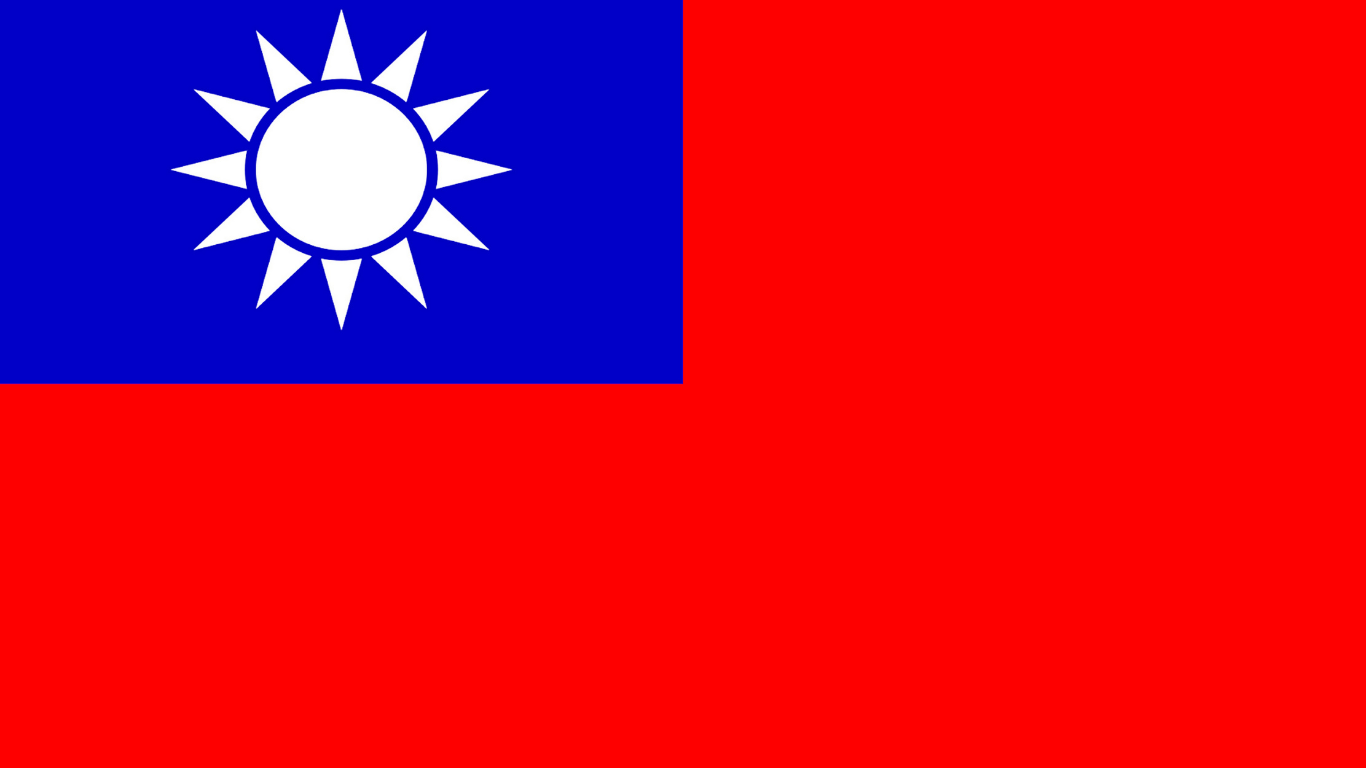
Lai Ching-te has declared that Taiwan will not surrender its sovereignty or democratic identity following a high-profile summit between Donald Trump and Xi Jinping that placed the future of Taiwan at the center of global attention.
Speaking publicly for the first time after the meeting in Beijing, Lai insisted that Taiwan would neither provoke conflict nor bow to pressure from China, reaffirming the island’s long-standing position that it already functions as an independent and sovereign state. His remarks came after Chinese state media reported that Xi warned Trump that Taiwan remained “the most important issue” in US-China relations and that mishandling the matter could lead to conflict.
The summit immediately intensified scrutiny over the fragile balance between Beijing, Washington, and Taipei. Following the talks, Trump signaled caution regarding any move toward formal Taiwanese independence, telling Fox News: “I’m not looking to have somebody go independent.” At the same time, Trump stressed that official US policy toward Taiwan had not changed and said he wanted to avoid direct confrontation with China.
Taiwan’s government responded by reinforcing its established position on sovereignty. In a strongly worded Facebook statement, Lai argued there was no “Taiwan independence” issue because Taiwan, officially known as the Republic of China, already operates as a sovereign democratic nation. He emphasized that the island’s future should only be decided by the people of Taiwan.
The comments reflect the delicate political reality that has shaped Taiwan’s identity for decades. While most Taiwanese citizens see the island as effectively independent, many also support maintaining the current status quo rather than formally declaring independence or pursuing unification with China. This balancing act has helped preserve relative stability across the Taiwan Strait despite rising tensions in recent years.
Beijing, however, continues to reject any suggestion that Taiwan is separate from China. Chinese leaders have repeatedly described reunification as inevitable and have increased military and political pressure on the island. Although Beijing says it seeks “peaceful reunification,” it has never ruled out the use of force.
Relations between China and Taiwan have become increasingly strained under Lai’s leadership. Beijing has labeled him a “troublemaker” and accused him of undermining peace across the strait. Chinese officials remain deeply suspicious of leaders from Taiwan’s ruling Democratic Progressive Party, viewing them as supporters of independence.
Despite the mounting pressure, Lai sought to position Taiwan as a stabilizing force rather than an aggressor. He stated that Taiwan would not escalate tensions and remained committed to preserving peace, while also making clear that democratic freedoms and national dignity were non-negotiable. He added that Taiwan remained open to dialogue and exchanges with China, but only on equal terms and without coercion.
The issue of Taiwan continues to be one of the most sensitive flashpoints in international politics. The United States remains Taiwan’s most important unofficial ally and is legally obligated to provide the island with defensive support. Washington’s policy has long relied on “strategic ambiguity,” deliberately avoiding a clear statement on whether the US would militarily defend Taiwan in the event of a Chinese attack.
Trump’s latest comments have therefore drawn close international attention, particularly as tensions between Washington and Beijing continue to shape global security and economic stability. Analysts warn that any shift in US policy or misunderstanding between major powers could have serious consequences for the Indo-Pacific region.
For now, Taiwan’s leadership appears determined to maintain its current course: resisting Chinese pressure, avoiding direct provocation, and preserving the democratic system that has become central to the island’s identity.