

Listeners:
Top listeners:
 play_arrow
 Cosoro Afrobeats UK's #1 Afrobeats Radio Station
 play_arrow
 Cosoro Pidgin Na we bi di #1 UK Pidgin Radio
 play_arrow
 Cosoro Evergreen UK's #1 Radio for Timeless African Sounds


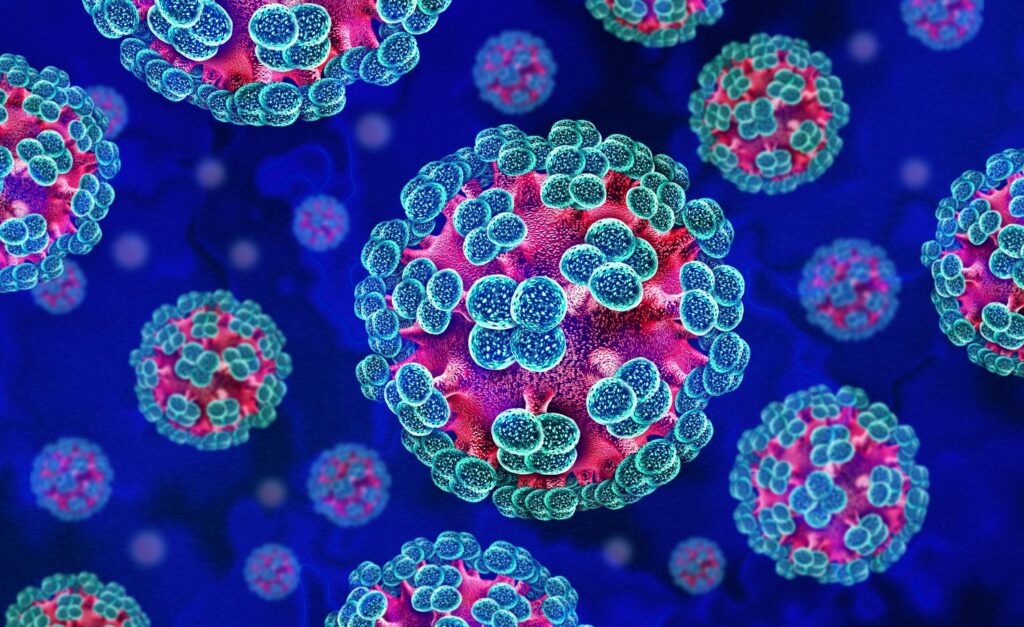
In May 2026, global health authorities began tracking an unusual and alarming outbreak of hantavirus linked to the Dutch expedition cruise ship MV Hondius. What started as a mysterious respiratory illness onboard quickly escalated into an international public health investigation involving the World Health Organization (WHO), the CDC, and multiple governments across Europe, Africa, Asia, and the America.
The MV Hondius, operated by Oceanwide Expeditions, departed Ushuaia, Argentina, in April 2026 on a long Antarctic and South Atlantic expedition cruise carrying passengers and crew from more than 20 countries.
A few days into the voyage, several passengers reportedly developed flu-like symptoms. At first, the illnesses did not raise major concern. But by mid-April, one passenger had died onboard. Soon after, additional severe respiratory cases appeared, and more passengers became critically ill.
By early May, at least three deaths had been reported, and several people required intensive medical care. The World Health Organization confirmed a hantavirus cluster linked to the ship. Multiple countries began tracing exposed passengers, quarantine, and isolation procedures
The outbreak involved the Andes virus strain, one of the very few hantaviruses known to occasionally spread from person to person under close contact conditions.
Health authorities repeatedly stressed that the risk to the general public remained low, but the incident drew comparisons to early COVID-era cruise ship outbreaks because of how quickly infections spread in a confined environment.
Hantavirus is a group of viruses mainly carried by rodents such as mice and rats. Humans usually become infected after exposure to infected rodent urine, saliva, or droppings.
The virus can enter the body when contaminated dust particles are inhaled — especially in enclosed or poorly ventilated areas.
Different hantavirus strains exist around the world:
Most hantavirus infections are rare, but when severe disease develops, it can become life-threatening very quickly.
The virus spreads mainly through exposure to infected rodents. Common transmission routes include:
Most hantaviruses do not spread from person to person. However, the Andes virus, found in South America, has shown limited human-to-human transmission.
People are at greater risk when:
Health experts strongly warn against vacuuming or sweeping rodent waste because it can aerosolize infectious particles.
Symptoms usually appear between 1 and 8 weeks after exposure. Early symptoms often resemble the flu, which can make diagnosis difficult.
As the disease progresses, patients may develop:
In severe lung-related cases, breathing can rapidly become difficult and require emergency medical care.
Hantavirus is rare, but severe cases can be extremely dangerous.
For Hantavirus Pulmonary Syndrome, fatality rates can approach 30–40%, and some outbreaks have reported even higher mortality rates
The danger comes from how rapidly breathing problems can develop once the lungs become affected.
Currently there is no specific antiviral cure, and no widely available vaccine
Treatment mainly involves supportive hospital care like, oxygen therapy, ventilators, IV fluids, blood pressure stabilization, and intensive monitoring. However, early treatment significantly improves survival chances.
Fortunately, hantavirus is preventable in most cases.
If you find rodent droppings:
Do not sweep or vacuum droppings.
Experts say the general public should stay informed but not panic.
The MV Hondius outbreak gained attention because it involved a rare transmissible hantavirus strain, happened in a confined cruise ship setting, and spread internationally before detection.
But health agencies including WHO, CDC, ECDC, and Africa CDC continue to emphasize that widespread community transmission remains unlikely.